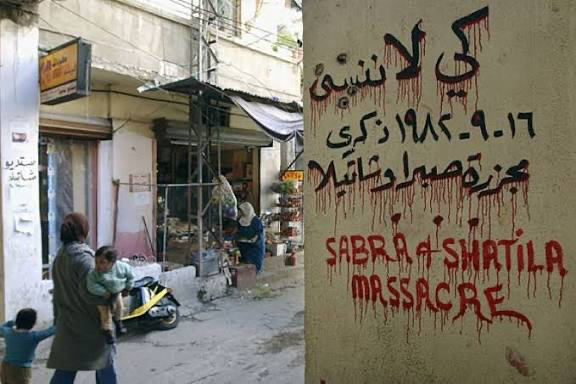
DayofPal—On Tuesday, Palestinians around the world marked the 43rd anniversary of the Sabra and Shatila massacre, one of the most horrific atrocities in modern Middle Eastern history by Israeli gangs.
The killings, which took place from September 16 to 18, 1982, in the Sabra and Shatila refugee camps in Beirut, Lebanon, claimed the lives of thousands of Palestinian and Lebanese civilians.
The massacre unfolded during the Lebanese Civil War, shortly after the assassination of Lebanese President-elect Bashir Gemayel. In the aftermath, militias affiliated with the Kataeb (Phalange) Party entered the camps, which were surrounded by Israeli forces, and systematically killed between 3,500 and 5,000 people, many of them women, children, and the elderly.
The Israeli army, under the direction of then-Defense Minister Ariel Sharon and Chief of Staff Raphael Eitan, reportedly sealed off the area and provided flares to illuminate the camps at night, allowing Phalangist militias to carry out the killings over the course of three days. Journalists and humanitarian organizations were barred from entering the area during the massacre.
According to a report by Israeli newspaper Yedioth Ahronoth, newly unearthed documents confirm Israel’s direct coordination with the Kataeb militia. These records indicate that high-level meetings between Israeli commanders and Phalangist leaders took place both before and after the massacre, including discussions on how to conceal Israeli involvement.
The massacre was internationally condemned. On December 16, 1982, the United Nations General Assembly passed Resolution 37/123, declaring the massacre an act of genocide.
An independent inquiry, chaired by Seán MacBride, found the Israeli military complicit. In 1983, Israel’s own Kahan Commission concluded that Sharon bore “personal responsibility” and recommended his dismissal as Defense Minister.
Despite widespread condemnation and mounting evidence of direct involvement, no senior Israeli or Lebanese officials have been held criminally accountable for the massacre. Families of the victims and human rights organizations continue to call for justice and recognition.
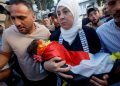
The anniversary was marked by vigils, speeches, and renewed appeals to the international community to investigate and prosecute those responsible. Many Palestinian leaders emphasized the enduring pain of displacement and loss, as well as the broader struggle for justice amid ongoing regional tensions.
Sabra and Shatila remain powerful symbols of Palestinian suffering, and the massacre continues to shape collective memory and calls for accountability across generations.
Shortlink for this post: https://daysofpalestine.ps/?p=67530