DayofPal– The humanitarian crisis in Gaza is escalating as water shortages reach critical levels, fueling a surge in disease and deepening an already dire health catastrophe, according to Oxfam organization.
Oxfam reports that Palestinians in both northern and southern Gaza are now surviving on less than 7% of the water available before the war, with devastation to water infrastructure leaving families desperate for even a single drop.
In North Gaza, encompassing areas like Jabalia, Beit Hanoon, and Beit Lahiya, the destruction has been near-total, with almost all water wells rendered inoperable.
The situation in the southern Rafah governorate is equally grim with over 90% of wells and reservoirs having been damaged, leaving water production at just five% of its previous capacity.
Even as efforts to restore water systems continue following the ceasefire, the damage to Gaza’s pipelines has resulted in catastrophic losses.
Oxfam estimates that 60% of water is leaking into the ground instead of reaching homes, leaving densely areas without the most basic necessity for survival.
Clemence Lagouardat, Oxfam’s humanitarian head of response in Gaza, said “Now that the bombs have stopped, we are only beginning to grasp the sheer scale of destruction to Gaza’s water and sanitation infrastructure.”
“Most vital networks have been entirely lost or paralyzed, creating catastrophic hygiene and health conditions,” he added.
The consequences are harrowing. Oxfam describes desperate scenes where people plead for water in the streets, and parents forego drinking so their children can have the little that remains. Some children are walking miles just to fill a single jerrycan.
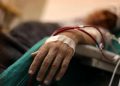
With safe water scarce, waterborne diseases are spreading at an alarming rate. A World Health Organization (WHO) study found that 88 percent of environmental samples tested across Gaza were contaminated with polio, warning of an imminent outbreak.
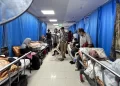
Other infectious diseases, including acute watery diarrhea and respiratory infections—now the leading causes of death—are surging, with 46,000 cases reported weekly, primarily among children.
Chickenpox, scabies, and impetigo are also rampant, particularly among displaced families in the hardest-hit northern areas. Overflowing sewage, lack of sanitation, and overcrowded living conditions are accelerating the crisis.
“Rebuilding water and sanitation is vital for Gaza to have a path to normalcy after 15 months of horror,” said Lagouardat. “The ceasefire must hold, and fuel and aid must flow so that Palestinians can rebuild their lives.”
As Gaza’s residents battle both the physical and humanitarian aftermath of war, the urgent call for aid, fuel, and restoration of water infrastructure grows louder. Without immediate intervention, the enclave risks plunging further into an unprecedented public health disaster.
Shortlink for this post: https://daysofpalestine.ps/?p=60703