DaysofPal- In the Gaza Strip, medical teams are struggling to maintain basic healthcare services under severe restrictions on the entry of supplies, according to Dr. Randa Abu El-Khair Masoud, a medical adviser with Médecins Sans Frontières (MSF).
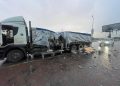
Dr. Masoud described worsening conditions in hospitals and clinics, where shortages of essential medicines and equipment are putting patients’ lives at risk. Despite the scale of humanitarian need, she said aid deliveries remain limited, with trucks carrying food and medical supplies waiting outside Gaza but unable to enter. MSF has not received new supplies since January 1, 2026.
One of the most urgent challenges involves medications for chronic diseases. Nearly half of the essential drugs used to treat conditions such as diabetes, hypertension, thyroid disorders, asthma, and other respiratory illnesses are now critically low. As a result, MSF has been forced to stop admitting new patients to its chronic disease programs, restricting care to those already registered. Doctors warn that these shortages could lead to preventable deaths among patients who rely on continuous treatment.
Hospitals are also facing a growing lack of basic medical materials, including gauze and compresses used in wound care. This shortage is affecting post-surgical treatment, trauma care, and the management of burn injuries. At MSF’s facility in Deir al-Balah, more than 100 patients require wound dressings each day in outpatient services, while up to 30 burn patients are admitted daily.
During a previous period of full blockade in 2025, medical teams were forced to use non-sterile gauze that they attempted to sterilize themselves, a measure considered unsafe and only used as a last resort. Dr. Masoud reports that conditions are once again nearing that level, with facilities sharing limited supplies but lacking a sustainable solution.
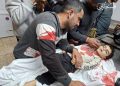
The restrictions have also affected medical equipment. No new devices or spare parts have entered Gaza this year, increasing pressure on already overused machinery. Dr. Masoud recalled a recent incident in which a critical surgical tool failed during an operation on a two-year-old child. The hospital had no replacement available, forcing staff to locate equipment from another facility and delay the procedure.
With no access to new equipment or repairs, breakdowns are becoming more frequent. Surgeries are at risk of being postponed or canceled, which can have serious consequences for patients, including long-term complications or permanent disability.
Despite these challenges, medical teams continue to work under intense pressure to provide care. Dr. Masoud emphasized that their efforts and improvisation cannot replace the need for a steady and unrestricted flow of medical supplies. She called for immediate action to allow essential aid into Gaza, warning that without it, the healthcare system would face further deterioration, and patients would bear the consequences.
Shortlink for this post: https://daysofpalestine.ps/?p=73570