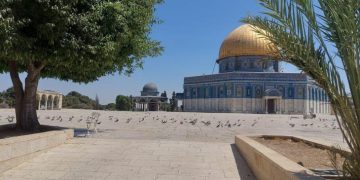

DaysofPal- Sheikh Ekrima Sabri, the preacher of Al-Aqsa Mosque and head of the Islamic Supreme Council in Jerusalem, has warned of the consequences of the continued closure of the mosque and the ban on Friday prayers, following the prevention of hundreds of thousands of Muslims from worshipping during Ramadan and Eid al-Fitr.
In media statements, Sabri said that closing the mosque and blocking access for worshippers violates freedom of religion. He described the measures as unjustified actions targeting one of Islam’s most significant holy sites.
Israeli occupation forces shut down the mosque, citing a state of emergency linked to the escalation that began on February 28 with joint military operations involving the United States and Israel against Iran. Sabri rejected this justification, noting that mosques and markets across Palestine remain open, which he said undermines the reasoning behind closing Al-Aqsa.
He warned of growing concerns that Israeli occupation forces could intervene directly in the administration of the mosque and impose full control over it. Sabri also revealed that he had been summoned for questioning by Israeli intelligence services due to his public stance calling for the reopening of the site. He reaffirmed his position, stating that the closure is unacceptable on religious grounds and that the mosque must be reopened.
Regional and Global Significance
Sabri emphasized that Jerusalem, akin to Mecca and Medina, possesses religious significance for Muslims globally, not just for Palestinians. He called on Arab and Muslim communities to take action and pressure their governments, urging them to push Israel to reopen the mosque and guarantee freedom of worship.
The closure of Al-Aqsa Mosque has now entered its 36th consecutive day, marking the longest such measure since Israel occupied Jerusalem in 1967. For the ninth time since that year, Friday prayers have been halted at the site. The mosque’s courtyards and prayer halls have remained largely empty, with only a small number of staff from the Islamic Waqf present.
Israeli occupation forces have maintained a heavy presence throughout Jerusalem, particularly near the Old City and its gates. Worshippers attempting to pray near the surrounding walls have been prevented, with reports of dispersal and restrictions in nearby areas.
At the same time, groups advocating for the construction of a temple have used the Jewish Passover holiday, which runs from early to mid-April, to call for increased entry into the mosque compound and the performance of ritual practices within it. Observers warn that these developments are contributing to heightened tensions and efforts to change the status of the site.
Shortlink for this post: https://daysofpalestine.ps/?p=73573