DaysofPal- The continued closure of Gaza Strip crossings by the Israeli occupation is exacerbating an already dire situation, posing a significant threat to the region’s infrastructure and public health.
For the sixteenth day since the end of the first phase of the ceasefire agreement, the Israeli occupation has maintained its blockade, preventing the entry of essential supplies, including fuel needed to operate vital facilities such as hospitals, water treatment plants, and sewage systems. This ongoing siege threatens to shut down critical services, creating a humanitarian catastrophe that could have far-reaching consequences for the lives and well-being of Gaza’s population.
Infrastructure Devastation
During the 471-day war of extermination that began on October 7, 2023, Israeli forces inflicted massive destruction on Gaza’s infrastructure. According to statistics from the Government Media Office in the Gaza Strip, the occupation destroyed:
- 655,000 linear meters of sewage networks
- Over 2 million linear meters of road and street networks
- More than 100,000 linear meters of water networks
- Over 175,000 linear meters of sewage networks
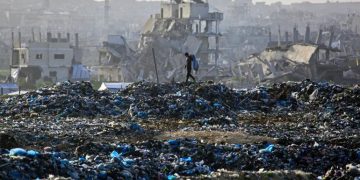
Gaza Municipality spokesperson Asem al-Nabih highlighted the extent of the devastation in an exclusive interview with Filastin newspaper. He stated that more than 70% of Gaza City’s roads and streets , 75% of central water wells , and 85% of heavy and medium-sized municipal vehicles were either partially or completely destroyed. These losses have severely impaired the municipality’s ability to provide basic services, including waste collection, road maintenance, and water supply management.
“The occupation’s actions have left us unable to collect and transport accumulated waste, maintain water wells, or repair damaged water and sewage lines,” al-Nabih explained. “Without heavy machinery and maintenance materials, we cannot begin reconstructing the destroyed infrastructure, leaving citizens vulnerable to a looming environmental and health disaster.”
Sewage Overflow and Public Health Risks
With much of Gaza’s sewage system destroyed, untreated wastewater continues to leak into streets and public areas, impeding movement and exposing residents to disease. The accumulation of garbage further compounds the problem, fostering environments conducive to the proliferation of insects, rodents, and pathogens. Vulnerable groups, particularly children and the sick, face heightened risks of contracting serious illnesses due to prolonged exposure to contaminated conditions.
Sheikh Radwan Pond, originally designed for rainwater collection, now serves as a de facto repository for over 400,000 cubic meters of wastewater . Although the municipality discharges approximately 30,000 cubic meters daily into the sea , inflows match this amount, making it impossible to significantly reduce the pond’s contents. Stagnant water breeds foul odors, mosquitoes, and other disease vectors, exacerbating public health concerns.
Fuel Shortages Compounding the Crisis
The Rafah Municipality issued a stark warning about the catastrophic consequences of fuel shortages caused by Israeli blockade. In a press release, the municipality noted that the lack of fuel is forcing it to scale back services, potentially leading to a complete shutdown of water wells and other vital infrastructure.
Calls for International Action
In light of these escalating challenges, both the Gaza and Rafah municipalities have appealed to international and humanitarian organizations to intervene urgently. They urge global powers to pressure Israeli occupation into opening the crossings and permitting the entry of essential goods, including heavy machinery, maintenance materials, and fuel. Such measures are crucial for restoring basic services and initiating reconstruction efforts.
Al-Nabih emphasized the urgency of securing necessary supplies: “If we do not receive heavy machinery and maintenance tools soon, our capacity to alleviate citizen suffering will diminish even further. We need international solidarity to break the siege and enable us to rebuild what was destroyed.”
Humanitarian organizations warn that the current crisis could spiral into a full-blown disaster if no action is taken. With each passing day, the risk of epidemics and irreversible environmental damage grows, underscoring the need for swift and decisive intervention to protect Gaza’s people and restore their dignity.
As the blockade persists, the world bears witness to a tragedy unfolding before its eyes. It remains incumbent upon the international community to act decisively, ensuring that justice prevails and humanity triumphs over oppression.
Shortlink for this post: https://daysofpalestine.ps/?p=61450