DaysofPal- People of the Gaza Strip are bracing for a third straight Ramadan under catastrophic humanitarian conditions, as the ongoing Israeli war has left widespread destruction, mass displacement, and acute shortages of food and aid.
Traditionally a period of celebration, reflection, and family unity, the holy month has taken on a far more somber tone for many Gazans.
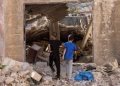
Neighborhoods once decorated with lanterns and lights now stand in ruins, markets operate with limited supplies, and large segments of the population remain in temporary shelters or overcrowded displacement camps.
Residents say the customary preparations for Ramadan, cleaning homes, stocking up on special foods, and visiting relatives, have largely vanished.
Instead, daily life revolves around securing essentials such as drinking water, shelter, and enough food to last until the next aid delivery.
Rising prices and scarce supplies have significantly diminished what families can provide for suhoor, the pre-dawn meal, and iftar, the sunset meal that breaks the fast. For many households, humanitarian assistance is the only source of sustenance, resulting in far simpler meals than in previous years.
Children, who once looked forward to sweets, gifts, and festive outings, are now experiencing the month with apprehension rather than excitement.
Imad Abu Amsha, currently displaced west of Gaza City, described how Ramadan preparations once began days in advance of the moon sighting.
“Before, we bought food and drinks, cleaned and decorated our homes, prepared for evening prayers, and arranged family visits,” he said, recalling trips to bustling markets to purchase ingredients for traditional dishes and desserts.
“That routine has disappeared,” he added, after his home was destroyed and relatives were killed or forced into separate displacement camps. Family gatherings, a cornerstone of Ramadan, are now rare or impossible.
For Alaa Al-Barsh, the hardship is both physical and emotional.
“How can we observe Ramadan without our families after losing so many loved ones?” she said. “There is no joy when grief fills our hearts.”
She remembered past Ramadans as a time of security and happiness, marked by visits from parents and siblings. Now she faces her third consecutive Ramadan living in a tent.
Daily life has changed dramatically, she said. Meals are cooked over open flames rather than gas stoves, electricity is scarce, and families often break their fast using the light from mobile phones while relying on distant or recorded calls to prayer.
Decorations, lanterns, and children’s festivities have all but disappeared, and attending communal evening prayers has become difficult for many.
Despite the severe circumstances, residents continue to observe the spiritual core of the holy month. Families share what little food they have, volunteers organize modest charitable efforts, and prayers for relief remain constant.
For Gaza’s population, Ramadan has become a time defined less by celebration than by endurance, where fasting is inseparable from survival, faith is tested by hardship, and hope rests on the prospect of a more stable future.
Shortlink for this post: https://daysofpalestine.ps/?p=72268