DaysofPal-“I left my medications behind. I couldn’t think clearly amid the terror we witnessed, and now I can’t go back or send any of my sons to get them. I fear for their lives. We don’t even know if our house is still standing,” says 75-year-old Mu’eenah Badra, summing up her ordeal during the ongoing Israeli war on Gaza.
Badra, who suffers from diabetes and hypertension, says she requires regular medication. “Before the war, managing my health was simple—take my medicine and follow the doctor’s orders. But now, there are no medicines, and the hospitals are in ruins.”
Since the Israeli tightening of its blockade and full closure of border crossings in early March 2025, humanitarian conditions have worsened dramatically, with vulnerable groups—especially the elderly—suffering the most under systematic policies aimed at dismantling all means of survival.
Constant Displacement
Badra’s suffering is made worse by repeated displacement. “Every time we settle, the place is bombed again, and we flee once more, not knowing where we’ll end up,” she says.
Now living in a tent at a displacement shelter in Gaza City, Badra can barely walk. “I told my family Gaza’s west will be my grave if I can’t return to Jabalia. I don’t even have a cane—I won’t be a burden on my children and grandchildren,” she says wearily.
Badra’s story mirrors the plight of tens of thousands of elderly Palestinians who endure dire conditions in overcrowded shelters with no access to adequate food, water, or health services.
As the Israeli assault on Gaza drags into its 21st month, Gaza’s elderly face relentless crises, bombings, displacement, and deadly shortages. The UN estimates that 107,000 elderly people live in Gaza, many with chronic conditions, now facing life-threatening situations due to the collapse of hospitals and a near-total lack of medications.
The Tragedy of Displacement
Khalil Shahada, a Gaza resident, says his 85-year-old father is wasting away due to a lack of nutrition and medicine. “After our home was bombed in Jabalia, we were displaced. My father became too weak to walk and now needs a wheelchair,” he told Safa.
“I try to meet his needs, but food prices are outrageous. I often skip meals to save a piece of bread for him,” Shahada said.
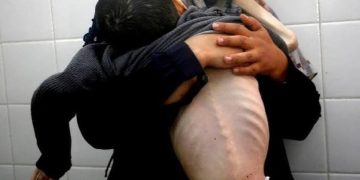
His father hasn’t had any of his required medications, blood pressure, rheumatism, or diabetes drugs for two months. “He now refuses food because it’s always the same, and he suffers from dehydration and malnutrition.”
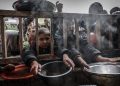
Gaza is experiencing severe shortages of food, water, and medicine, with total collapse of the healthcare system. Elderly and chronically ill individuals are left to face death in isolation, without even the most basic care.
According to a recent report by Euro-Med Human Rights Monitor, around 4% of those killed in the Israeli war on Gaza have been elderly.
The report highlights a rising number of deaths among older adults due to the total breakdown in healthcare, malnutrition, and starvation. It notes that nearly 70% of Gaza’s elderly suffer from chronic illnesses, making them especially vulnerable amid the ongoing Israeli onslaught and the worsening humanitarian catastrophe.
Shortlink for this post: https://daysofpalestine.ps/?p=65620