DaysofPal- Field reports indicate a severe humanitarian, relief, and service crisis looming in Gaza in the coming days, driven by increasing Israeli pressures on border crossings and restrictions on UN and aid organizations operating in the enclave.
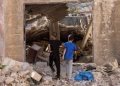
These events take place in the midst of dire conditions in Gaza, which has endured over two years of an Israeli campaign of mass destruction, with no clear commitment from Israel to uphold the ceasefire agreement. The second phase of the ceasefire is under the mediation of Qatar, Egypt, and Turkey, with supervision from the United States.
Suspension of Aid Operations
Key indicators include the unexpected announcement by the World Central Kitchen to halt all cooking operations in Gaza from the end of February until further notice, due to a reduction in the number of trucks allowed by Israeli occupation authorities. This suspension affects both central kitchens and affiliated charitable food distribution centers across Gaza’s governorates.
Earlier, the United Nations reduced food rations in early February from 75 percent of minimum daily caloric needs to 50 percent, with insufficient reserves to maintain operations. Unsafe working conditions in the sector led to the spoilage or isolation of roughly 1,500 metric tons of supplies, which were delayed for days or weeks at crossings, exposed to rain, and rendered unusable.
Israel controls the timing and routes of humanitarian deliveries, according to the UN Office for the Coordination of Humanitarian Affairs (OCHA). Last week, 57 staff members of international organizations left Gaza following Israel’s decision to ban 37 relief organizations, most of which provide vital health services to a system severely damaged by military operations.
Worsening Humanitarian Conditions
Dr. Ismail Thawabta, Gaza’s government media director, warned of escalating crises in all sectors, including healthcare, education, infrastructure, fuel, food, and water, resulting from ongoing destruction and Israel’s delays in implementing the humanitarian protocol of the ceasefire. He emphasized that four months after the agreement, Gaza continues to face one of the worst humanitarian crises of the modern era.
Thawabta highlighted the potential return of widespread hunger or famine due to Israeli restrictions, such as reducing truck shipments or requiring organizations to source supplies from Israel instead of Egypt. The ban on 37 NGOs, which previously provided over half of Gaza’s food aid and about 60 percent of field hospital services and pediatric care for malnourished children, worsens the situation.
Thawabta urged mediators and UN agencies to hold Israel accountable, open all crossings, and allow the entry of essential health, relief, and educational supplies.
In December 2025, the Integrated Food Security Phase Classification (IPC) reported no famine areas following the ceasefire, noting improvements in humanitarian and commercial access. However, the Food and Agriculture Organization (FAO), UNICEF, the World Food Programme, and the World Health Organization warned that without sustained and expanded humanitarian, food, agricultural, and health support, hundreds of thousands could rapidly face famine again.
Systematic Restrictions Threaten Food and Water Security
Political analyst Mustafa Ibrahim warned that Gaza faces worsening humanitarian conditions due to Israeli restrictions that block two vital life-support pathways.
The first is the threat of hunger or famine, following the World Central Kitchen’s announcement to stop providing one million meals daily after truck deliveries were reduced from 25 to five and pressure was applied to shift supply chains from Egypt to more costly and complicated Israeli sources.
The second concerns the water crisis, particularly the ongoing two-month disruption of drinking water from the Mekorot company and the stalled repair of the main supply line to Gaza City under pretexts, worsening citizens’ suffering. Gaza Municipality reported an unprecedented water shortage, with more than 85 percent of the city deprived of water, following damage to the Mekorot line in the eastern “Yellow Zone.”
Ibrahim stressed that these restrictions aim to maintain the siege over all aspects of life in Gaza, affecting international, UN, and local organizations alike, reflecting a continuation of policies described by Palestinians as mass destruction despite the ceasefire.
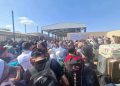
Israeli limitations on aid and water flow violate international law and threaten hundreds of thousands with an imminent humanitarian disaster unless immediate and sustainable access is provided. According to the Gaza Center for Human Rights, only 43 percent of agreed aid shipments enter the Strip, out of 600 trucks daily, including 50 fuel trucks, while fuel deliveries remain below 15 percent. Restrictions on travel through the Rafah crossing also continue, with compliance not exceeding 40.3 percent.
Shortlink for this post: https://daysofpalestine.ps/?p=72618