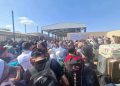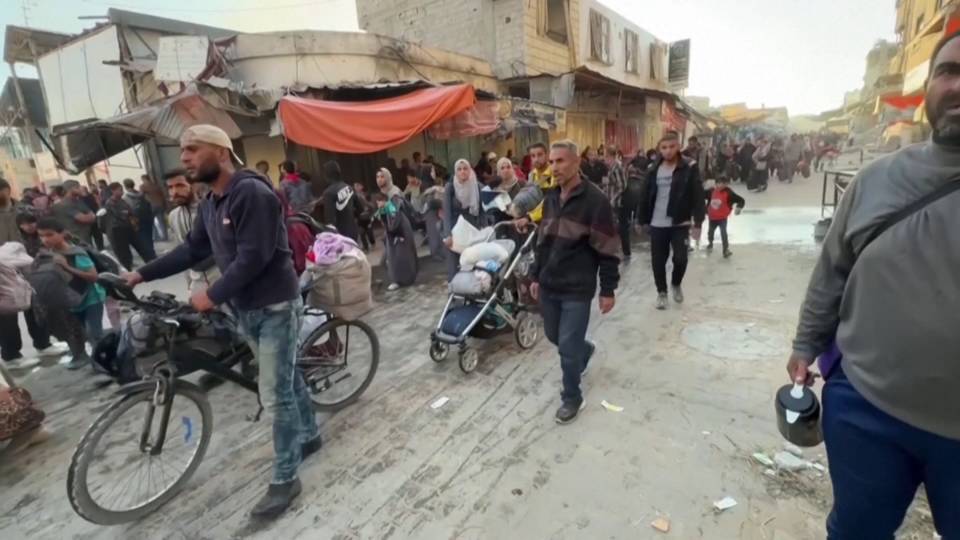
DaysofPal- UNRWA media adviser Adnan Abu Hasna stated that Israeli authorities are blocking 6,000 UNRWA trucks carrying food supplies sufficient to sustain the Gaza Strip for three months.
He added that the Israeli occupation is also holding back hundreds of thousands of tents and blankets meant for approximately 1.3 million Palestinians amid a rapidly deteriorating humanitarian situation.
Speaking to Al Jazeera, Abu Hasna noted that the number of trucks currently entering the Strip is higher than the daily average before the ceasefire. However, he emphasized that these deliveries still fall far short of the massive needs inside Gaza.
He said the Israeli occupation continues to prohibit the entry of hundreds of essential items, including medical, water, sanitation, and food supplies, while allowing more goods intended for the commercial sector than for relief agencies.
According to Abu Hasna, the overwhelming majority of Gaza’s residents depend completely on humanitarian assistance, as purchasing power has collapsed. Only a small number of UNRWA staff and remaining Palestinian Authority employees can still afford basic goods.
Humanitarian groups, he explained, regularly request permission to bring in crucial materials such as spare parts for water desalination and sewage facilities, medical equipment, and international staff.
The Israeli occupation rejects most of these applications, approving only limited basic items like flour, canned goods, and some medicines.
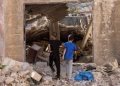
Abu Hasna warned that if this situation continues, Gaza will “return to square one.” He pointed out that recent light rainfall caused sewage to mix with rainwater due to damaged infrastructure, leading to the collapse of tens of thousands of tents.
Meanwhile, waste continues to accumulate, and sewage water is overflowing into narrow roads near displacement camps in southern Gaza, leaving children exposed to dangerous health conditions, according to testimonies from displaced families.
Municipal officials told Al Jazeera correspondent Hani Al-Shaer that the current fuel shortage is the worst since the war started two years ago, crippling all municipal work. Many municipal vehicles, already deteriorating, are now completely out of service, and the Israeli occupation is blocking the entry of replacements.
Civil Defense teams are also struggling, as the fuel crisis prevents them from reaching emergency sites quickly, whether to respond to storm-related incidents or to recover victims and address threats to civilian safety.
Shortlink for this post: https://daysofpalestine.ps/?p=69960