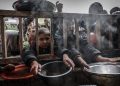
In Gaza, where hunger tightens its grip and aid is scarce, residents are turning to their last lifeline—selling their gold jewelry.
Umm Alaa, sitting outside a jeweler’s shop, parts with a wedding earring meant for her daughter. “It was for her big day,” she says, “but now it buys us a meal.” Across Gaza, similar scenes play out daily. Families, unable to find food, trade heirlooms and wedding gifts to afford flour or rice.
From Precious Memories to Daily Meals
Jeweler Mohammad Abu Al-Hassan has never seen such desperation. “People used to sell gold to build homes or pay for college. Now, it’s just to eat,” he says. With paper money nearly worthless and inflation soaring, gold prices have dropped—some pieces barely cover the cost of basic food.
Fayez Awwaja sold his mother’s wedding ring to fill an empty dinner table. “We share memories instead of meals now,” he says. “We’ve lost everything.”
A Hunger War
Unemployment has reached over 90% among Gaza’s daily wage earners. Government aid has dried up, and humanitarian relief is either delayed or deadly—trucks become flashpoints, where desperate crowds risk their lives for a chance at survival. A 25-kg bag of flour now sells for 800 shekels—20 times the pre-war price.
UNRWA calls the aid system “a model of death, not life.” Since May 19, just 700 trucks have entered Gaza—a number that used to arrive daily before the war.
Gold Market in Crisis
Iyad Basal, head of Gaza’s gold traders’ union, confirms the market has nearly collapsed. Demand is low, prices are far below global standards, and traders are stuck with unsold inventory. With no movement of gold between Gaza and the West Bank, and most transactions done in cash, the market has stalled.
“This isn’t just an economic crisis—it’s a collapse of life as we know it,” Basal says.
Shortlink for this post: https://daysofpalestine.ps/?p=65237