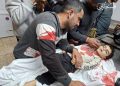

DaysofPal- The Palestinian Ministry of Health has warned that zero-stock levels of medications and essential medical supplies in Gaza continue to surpass “catastrophic” thresholds, threatening the ability of hospitals to provide even the most basic care.
In an official statement, the ministry reported that 52% of essential medicines, 71% of medical consumables, and 70% of laboratory supplies are currently at zero stock, leaving hospitals unable to meet the rising demands of patients and the wounded.
The ministry noted that the crisis is escalating as the need for therapeutic interventions grows amid ongoing injuries and chronic illnesses.
Primary healthcare services, surgeries, emergency procedures, intensive care, oncology, and hematology are among the sectors suffering from severe shortages of vital medications.
It added that departments such as orthopedics, nephrology, dialysis units, ophthalmology, general surgery, operating rooms, and intensive care units are facing “catastrophic challenges” due to the acute lack of medical consumables.
The Ministry of Health called for an immediate and substantial reinforcement of emergency medical supplies to enable healthcare teams to continue operating in specialized departments.
Without urgent intervention, the ministry warned, the health system’s collapse will accelerate, leaving thousands of patients without access to life-saving care.
Severe Shortage of Cooking Gas Deepens Humanitarian Crisis
In parallel, the Gaza Government Media Office revealed a sharp decline in the entry of cooking gas into the Strip since the ceasefire began, further worsening living conditions for civilians.
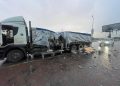
According to its statement, Israel allowed only 104 cooking-gas trucks into Gaza between the start of the truce and 6 December 2025, out of 660 trucks agreed upon for the same period. This means that only 16% of the planned quantity has been delivered.
The media office warned that this gap creates a dangerous humanitarian crisis impacting daily life across the Strip.
More than two million residents are facing severe shortages of cooking gas, affecting households, hospitals, bakeries, and community kitchens that provide meals to displaced families.
The office noted that each household’s share is limited to 8 kilograms per distribution cycle, with families allowed to receive gas only once per cycle. So far, only 252,000 families have received their allocated share, out of 470,000 targeted households, leaving nearly half without access to any cooking gas.
Shortlink for this post: https://daysofpalestine.ps/?p=70124