
DaysofPal- Al-Shifa Hospital in Gaza City has issued a warning over a rapidly deteriorating health situation, as a wide outbreak of undiagnosed illnesses spreads amid the collapse of the local healthcare system and a severe shortage of diagnostic and treatment resources.
Dr. Moataz Harara, head of the Emergency and Admissions Department at Al-Shifa Hospital, said the facility has been receiving more than 500 patients daily over the past two weeks. Around 200 of these cases each day involve severe respiratory illnesses accompanied by high fever, shortness of breath, extreme fatigue, persistent diarrhea and vomiting, coughing, and chest pain.
Dr. Harara explained that the severity of symptoms varies depending on the patients’ immune strength. While some recover within two days, others, particularly those suffering from chronic illnesses, require hospitalization. In critical cases where available treatments fail to improve blood oxygen levels, patients are transferred to intensive care units. According to Harara, the Ministry of Health has been unable to identify the nature of several circulating viruses due to the absence of laboratory and diagnostic capabilities. He stressed that the recorded cases are neither COVID-19 nor seasonal influenza, noting that symptoms are unusually severe, yet the exact cause remains unknown.
The hospital has also recorded a worrying increase in leptospirosis, a bacterial infection transmitted by rodents. Once detected only once every three years, the disease is now appearing at a rate of two to three cases every two months.
Even more alarming, Harara warned of a sudden surge in acute flaccid paralysis, with approximately 20 cases recorded in the past month alone, compared to only a few cases annually in previous years.
Growing Risks to Respiratory Patients
Earlier, pulmonology and internal medicine consultant Dr. Ahmad Al-Rabie warned of serious, life-threatening risks facing respiratory patients in Gaza due to acute shortages of medicines and medical equipment, compounded by harsh displacement conditions and widespread air pollution.
Al-Rabie, head of the Pulmonology and Endoscopy Department at Al-Shifa Medical Complex, said the health status of Gaza’s population has reached a critical stage, with sharp increases in respiratory infections, severe influenza cases, and pneumonia. He explained that most Gaza residents are now living in tents or unsuitable shelters, conditions that significantly weaken immunity and heighten vulnerability to respiratory diseases.
Environmental and Public Health Catastrophe
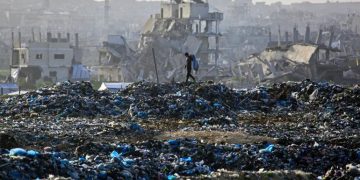
Public health officials have also warned of escalating environmental and health dangers as viruses and diseases spread among the population. Gaza is facing an acute shortage of safe drinking water, the accumulation of nearly 900,000 metric tons of waste, widespread destruction of sewage networks, and continued restrictions on the entry of hygiene supplies and essential materials, creating fertile conditions for epidemics to spread.
Residents continue to suffer the effects of severe cold and heavy rainfall, while Israeli authorities maintain restrictions on the entry of tents and shelter materials. This has worsened conditions for displaced families, particularly children, the elderly, and those with chronic illnesses, who are forced to live in tents lacking the most basic necessities.
Medical organizations have previously warned of the growing risk of epidemics, including cholera and polio, spreading among displaced populations as a result of Israel’s ongoing restrictions on the entry of medicines and medical supplies into the Gaza Strip.
Shortlink for this post: https://daysofpalestine.ps/?p=71453