DaysofPal- Senior Hamas official Taher al-Nunu confirmed that his Movement has agreed to a new ceasefire proposal presented by Egyptian and Qatari mediators, stressing that the decision was made in the interest of protecting Palestinian civilians and alleviating the humanitarian crisis in Gaza.
Al-Nunu said the proposal represents a middle ground between Hamas’s previous stance and Israel’s position, confirming that the deal includes U.S. guarantees.
“We hope the new proposal will open a path toward ending the war,” he added.
According to Palestinian sources, Hamas and allied factions accepted the plan without reservations.
The agreement calls for the redeployment of Israeli forces from northern and eastern Gaza, excluding some areas such as Shuja’iyya and Beit Lahia, alongside the release of Palestinian prisoners, the reopening of the Rafah crossing, and the guaranteed entry of fuel, water, and electricity.
The plan also provides for the rehabilitation of hospitals, bakeries, and rubble-clearing equipment.
A prisoner exchange is also included, with 140 Palestinians serving life sentences and 60 others with long-term sentences set to be released in exchange for Israeli captives.
The deal also stipulates the release of all Palestinian children and women prisoners and the transfer of ten Palestinian bodies for each Israeli body.
Implementation of the agreement would begin immediately upon approval, with the UN, the Red Crescent, and other international organizations overseeing humanitarian aid distribution in coordination with Palestinian factions.
Egypt’s State Information Service confirmed that the proposal has been delivered to the Israeli occupation, saying the ball is now in Tel Aviv’s court.
Egyptian officials warned that failure to respond positively could prolong the conflict while urging stronger U.S. and international pressure on the Israeli occupation to accept the terms.
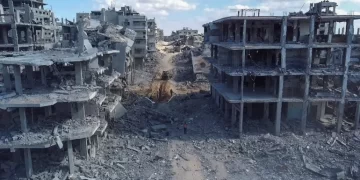
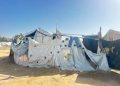
The move comes amid mounting international concern over Gaza’s worsening humanitarian disaster, where more than two years of Israeli military operations have left widespread destruction, severe shortages of food, water, and medicine, and thousands of civilian casualties.
Shortlink for this post: https://daysofpalestine.ps/?p=66744