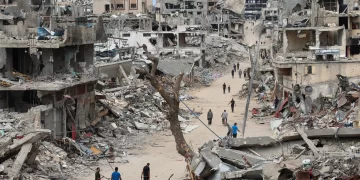
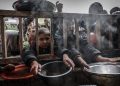
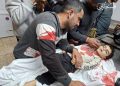
For the first time in recent history, the echoes of the “Talbiyah” prayer will not be heard from the residents of the Gaza Strip. As the Islamic world prepares for the annual Hajj pilgrimage, the ongoing war and the complete closure of border crossings have effectively barred thousands of Gazans from fulfilling one of the most sacred pillars of their faith.
According to the Ministry of Endowments and Religious Affairs in Gaza, the current situation has created an insurmountable barrier for pilgrims. Consequently, approximately 2,500 residents who were scheduled to travel to Mecca this year find themselves trapped within the enclave, their lifelong dreams of pilgrimage deferred by the grim realities of war.
Systematic Obstruction
The primary driver of this deprivation is the continued closure and occupation of the Rafah border crossing. Since early May, the crossing—Gaza’s only gateway to the outside world not directly controlled by Israel—has been rendered inoperable.
This shutdown has prevented the Ministry from completing essential administrative procedures, such as finalizing transportation contracts in Egypt and Saudi Arabia or securing housing in the holy cities of Mecca and Medina.
Spokespeople for the Ministry described the situation as a “blatant violation of religious freedom.” Furthermore, they emphasized that the inability to travel constitutes a profound emotional and spiritual blow to a population already grappling with catastrophic loss and displacement.
Shattered Dreams
For many in Gaza, the Hajj is a once-in-a-lifetime journey that requires years of saving and waiting. In March 2023, a lottery was conducted to select pilgrims for the 2024 season, with priority given to the elderly and the terminally ill. Tragically, many of those who were finally selected now face the possibility that they may not live to see another season.
In response to the crisis, officials have stated that they are in continuous contact with authorities in Saudi Arabia and Egypt. While no immediate solution for this year appears likely, the Ministry has assured those affected that they will not lose their turn. They will be granted top priority for the next available Hajj season, provided that the geopolitical situation allows for their safe passage.
While 1,000 Palestinians from the families of martyrs and the wounded—primarily those already outside the Strip—were invited to perform Hajj under a royal gesture from King Salman bin Abdulaziz, the vast majority of Gaza’s eligible pilgrims remain sidelined.
Shortlink for this post: https://daysofpalestine.ps/?p=74767