As temperatures rise across Gaza, a severe water shortage is adding a new and dangerous layer to the humanitarian crisis, leaving hundreds of thousands of displaced people struggling to survive under extreme heat and worsening living conditions.
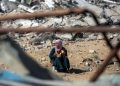
Nearly one million people are currently living in tents, while around 5,000 families are sleeping outdoors and 52,000 people are sheltering in overcrowded facilities, according to Mercy Corps. The organization warned that the combination of heat, water scarcity, and poor sanitation is increasing exposure to disease and health risks.
More than 75% of Gaza’s population is facing severe water insecurity, with many families surviving on fewer than six liters of water per person each day — less than half of the emergency survival standard of 15 liters and far below the approximately 85 liters available per person daily before the war.
The crisis has been intensified by extensive damage to water infrastructure, fuel shortages, and restricted access to functioning wells and desalination facilities. As a result, many families have become dependent on irregular water deliveries by trucks, which are often insufficient, unsafe, or too expensive to afford.
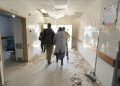
Overcrowded displacement sites and the collapse of sanitation services have also contributed to the spread of preventable diseases, placing further strain on Gaza’s already overwhelmed healthcare system.
“Without reliable access to safe water, this crisis will continue to deepen,” said Rachel Norris, Mercy Corps’ Response Director in Gaza. “We are already seeing early signs of worsening malnutrition and disease, especially among children.”
She warned that rising temperatures combined with shortages of water, sanitation, and adequate shelter could accelerate the spread of illness and increase preventable suffering.
“Families are being forced to survive on just a few liters of water a day and must make impossible choices between drinking, cooking, or maintaining basic hygiene,” Norris said. “Every decision comes with a cost.”
After more than two years of war, Mercy Corps said families across Gaza have exhausted their coping mechanisms and are now struggling to survive day by day with no resources left to absorb further shocks.
The organization called for urgent action to restore sustained humanitarian access, expand food assistance with a focus on nutrition, ensure safe and sufficient water supplies, and secure fuel needed to operate essential services.
“Without these measures, the risk of rapid and widespread deterioration will grow as hot weather persists, with the most vulnerable bearing the heaviest cost,” Norris said.
Shortlink for this post: https://daysofpalestine.ps/?p=75620