DaysofPal- Palestinian Children’s Day this year arrives under one of the darkest periods in recent history, with official data revealing the scale of the crisis affecting children across Palestine, particularly in the Gaza Strip. War, blockade, and the collapse of the healthcare system have combined to create conditions that threaten an entire generation.
According to the Palestinian Central Bureau of Statistics, the population of Palestine reached approximately 5.56 million by the end of 2025, including 3.43 million in the West Bank and 2.13 million in Gaza. Children under the age of 18 make up about 43 percent of the population, or roughly 2.47 million individuals, reflecting the youth-heavy structure of Palestinian society. Those under 15 years old account for 36.3 percent, totaling around 2.02 million children.
A Harsh Reality on the Ground
These demographic indicators sharply contrast with the actual situation. Data shows that the war in Gaza since October 2023 has resulted in the deaths of 72,289 Palestinians, including 21,283 children, nearly 30 percent of the total. Among the children killed are 450 infants and 1,029 who did not reach their first birthday, along with more than 5,000 children under the age of five.
Airstrikes have not been the only cause of deaths. At least 157 children have died from hunger, while 25 others died from extreme cold in displacement camps. Around 9,500 people remain missing under the rubble, the majority believed to be children and women.
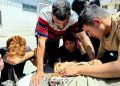
The number of injured has reached 172,040, including at least 44,486 children. About 10,500 children are living with permanent injuries, including more than 1,000 cases involving limb amputations, in a context where the healthcare system is close to total collapse. Reports warn that nearly 4,000 children require urgent medical evacuation to survive.
Violence has also affected the West Bank, where 237 children have been killed out of a total of 1,145 fatalities recorded there during the same period.
Human rights organizations have documented more than 1,655 cases of child detention in the West Bank, including Jerusalem, since the start of the war. Around 350 children remain in detention as of March 2026, often held in harsh conditions.
At the same time, a severe nutrition crisis is unfolding. According to the United Nations Office for the Coordination of Humanitarian Affairs, more than 3,700 children were admitted for treatment of malnutrition in February 2026, including over 600 critical cases. Tens of thousands of children, infants, and pregnant women are at risk, with an estimated 31,000 children facing life-threatening acute malnutrition.
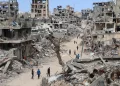
The destruction of about 94 percent of healthcare facilities has further deepened the crisis, leaving the remaining services unable to meet basic needs.
Educational Deprivation and Displacement
Displacement continues to reshape daily life. Internally displaced people in Gaza, including hundreds of thousands of children who have lost their homes and safe environments, number around 1.4 million. In the West Bank, the UNRWA reports that more than 12,000 children have been displaced due to military operations.
Education has also been severely disrupted. In Gaza, 179 government schools have been destroyed, along with damage to about 100 UNRWA schools, depriving nearly 700,000 students of education during the 2025–2026 academic year. Many students have also been unable to sit for final secondary exams. Efforts to shift to online learning have been hindered by weak infrastructure, along with frequent electricity and internet outages, raising concerns about a widening educational gap.
In the West Bank, 120 students have been killed and 831 injured, while hundreds of students and educational staff have been detained, reflecting ongoing disruption to the education sector.
Psychological Trauma and Disease
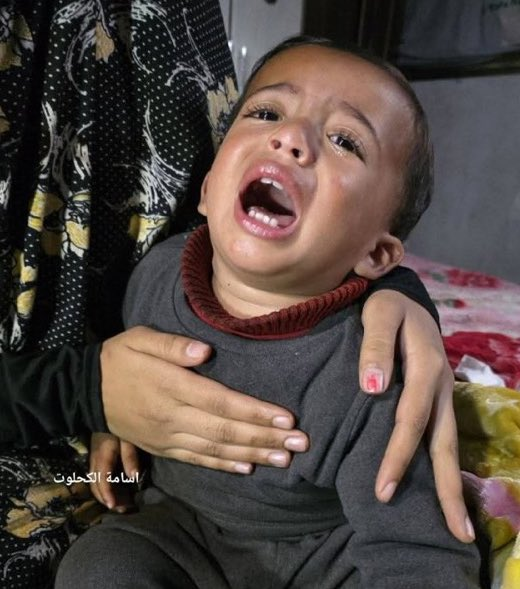
Beyond physical destruction, the psychological toll is immense. More than 1.1 million children in Gaza are in need of mental health and psychosocial support due to repeated trauma and harsh living conditions.
Public health conditions have also deteriorated due to the water crisis. Nearly 496,000 cases of acute watery diarrhea were recorded in 2025, with children under five the most affected. Thousands of cases of jaundice have also been reported, signaling the spread of disease.
Shortlink for this post: https://daysofpalestine.ps/?p=73576