A major crisis has erupted within the Toronto Film Critics Association after more than a third of its members resigned in protest over the removal of a statement expressing solidarity with Palestinians from an award acceptance speech during the organization’s 2025 ceremony.
What initially appeared to be a technical edit to a recorded video quickly spiraled into a profound institutional controversy, raising urgent questions about censorship, freedom of expression, and the silencing of voices speaking out about the suffering of Palestinians.
The controversy ultimately led to the resignation of the association’s president and sparked a wider debate within Canada’s cultural community about the price artists pay for speaking about Palestine.
A Speech Edited — and a Message Silenced
The controversy began on March 2, 2026, during the association’s annual awards ceremony.
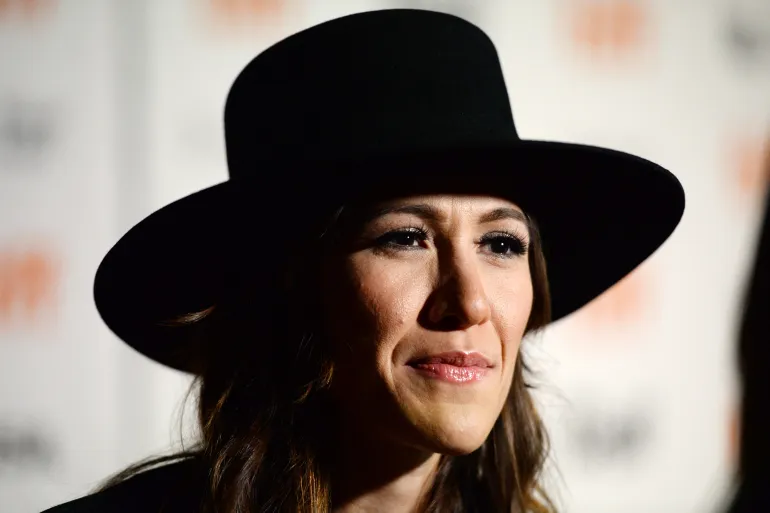
Indigenous Canadian filmmaker and actress Elle-Máijá Tailfeathers had won Best Supporting Performance in a Canadian film for her role in the movie Sweet Angel Baby.
Unable to attend in person, Tailfeathers submitted a recorded acceptance speech to be played during the ceremony.
But when the video was shown to the audience, a key portion had been removed.
Only later did Tailfeathers discover that the section in which she expressed solidarity with the Palestinian people had been cut from the broadcast version.
In the full speech, later published by the magazine Exclaim!, Tailfeathers had said:
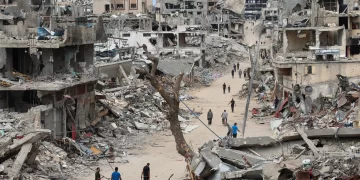
“My heart remains with the Palestinian people who are living through this tragedy.”
According to the artist, the statement was removed without her knowledge or consent.
In a letter sent to the association — details of which were reported by Vulture — Tailfeathers accused the organization of directly censoring her words.
She wrote that silence in moments of profound human suffering is not neutrality.
“Neutrality in moments like this,” she said, “is a form of violence.”
Tailfeathers ultimately returned the award in protest, defending the right of artists to speak openly about humanitarian crises.
Wave of Resignations
The Toronto Film Critics Association responded with a statement claiming the edit was made for logistical reasons in order to shorten speeches and keep the ceremony running on time.
At the time, the association’s president, Joanna Schneller, said the decision to cut the section of Tailfeathers’ speech had been her personal call to manage the program schedule.
But many members of the organization rejected the explanation.
Critics argued that speeches had rarely been shortened in this way before and that, if time had truly been an issue, the artist should have been consulted beforehand.
Within days, at least 16 of the association’s 46 members resigned, including prominent Canadian film critics.
Among them was critic Radheyan Simonpillai, who said the justification made little sense.
“Time has never been the issue,” he reportedly said, adding that basic professional respect would have required informing the artist before altering her speech.
As the backlash intensified, Schneller announced her resignation in an attempt to contain the crisis.
Yet the move failed to immediately restore trust within the organization, as resignations continued to mount.
A Larger Debate Over Palestine and Free Expression
The controversy quickly spread beyond the association itself, igniting a broader debate within Canada’s cultural sector about how institutions handle artists who speak about Palestine and other politically sensitive issues.
Film critic Barry Hertz of The Globe and Mail argued that the decision to censor the speech had damaged the organization’s credibility.
Editing the words of an award winner without their consent, he said, undermined the transparency expected from an institution that claims to champion artistic freedom.
Critic Adam Nayman suggested that the core issue lay not only in the edit itself but in the lack of transparency surrounding the decision.
Meanwhile, former film programmer Norm Wilner said the incident contradicted the values cultural institutions often claim to defend.
“Defending artistic freedom,” he argued, “cannot coexist with censoring an artist’s words at the very moment they receive an award.”
A Cultural Institution Under Scrutiny
Founded in 1997, the Toronto Film Critics Association is one of Canada’s most prominent film criticism bodies, and its annual awards are considered among the most influential in the country.
Now, however, the organization faces a serious crisis of confidence.
For many observers, what began as the removal of a short sentence about Palestinian suffering has revealed something deeper — a widening divide within cultural institutions about the relationship between art, politics, and moral responsibility.
At the center of the controversy is a simple but uncomfortable question:
Why does speaking about Palestinian suffering remain so difficult — even within spaces that claim to champion free expression?
For the artists and critics who resigned, the answer lies not only in censorship, but in the unwillingness of powerful institutions to allow even a brief moment of solidarity with a people enduring immense hardship.
Shortlink for this post: https://daysofpalestine.ps/?p=72846