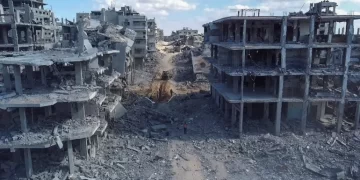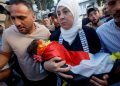

DaysofPal – Shells weighing tons crash into densely populated neighborhoods in the Gaza Strip. Within seconds, a crowded street becomes a vast crater that swallows homes and the lives inside them. Scenes like this have repeated themselves throughout the genocide that began in October 2023, killing more than 72,000 Palestinians.
Each strike has been followed by casualty lists filled with the names of children and women. Entire residential blocks have been erased. Multi-story family homes, built over decades by successive generations, have collapsed with grandparents, parents, and children still inside. Neighboring buildings, bound together by kinship and shared history, have been reduced to rubble in the same blasts.
A War on Childhood
Children have borne the heaviest burden. Those under 18 make up a large share of Gaza’s population. International officials warned repeatedly that the pace of killing equated to the loss of a classroom of children each day.
Kindergartens, schools, playgrounds, hospitals, and clinics were destroyed in successive bombardments. Facilities that survived became shelters for displaced families. Many children have witnessed bodies and blood in the streets, often belonging to relatives, neighbors, or friends.
Premature infants were among the most vulnerable. After electricity and fuel supplies were cut, incubators stopped functioning. Rescue and transfer efforts were blocked despite urgent appeals.
Survivors carry losses that defy comprehension: parents, siblings, grandparents, and classmates gone. Education has been interrupted for consecutive years. Notebooks, toys, and pets disappeared beneath debris. In scattered video clips, Israeli soldiers were seen handling children’s belongings inside damaged homes and shops, images that deepened the sense of violation for many families.
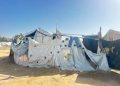
Daily life for surviving children revolves around searching for water and food. Healthcare shortages, polluted surroundings, and repeated displacement have shortened life prospects and stripped away stability.
Cultural Erasure
The destruction has not been limited to homes. University professors, doctors, engineers, and teachers were killed alongside their families. Academic institutions lost scholars and researchers, including figures recognized internationally.
Among them was Refaat Alareer, a professor of English literature, killed in December 2023 days after publishing a poem that was later translated into dozens of languages. Libraries, both public and private, were damaged or destroyed. University campuses and cultural centers housing theses and rare manuscripts were blown up.
Video footage showed elderly professor Fayez Abu Shamala apologizing to renowned writers while burning their books for warmth after fuel supplies ran out. With the deaths of elders, oral histories and traditional knowledge also faded. Old photographs, property deeds dating back to 1948, and family heirlooms were lost under rubble.
Historic landmarks were struck. The Great Omari Mosque, a central symbol of Gaza’s heritage, was left in ruins. The Church of Saint Porphyrius was hit in October 2023, killing civilians who had sought refuge inside.
Environmental Devastation
Environmental damage has compounded the humanitarian crisis. Pets and livestock perished in collapsed homes and targeted farms. After water and feed were cut off, surviving animals weakened and died. Donkeys and horses, used for transport when fuel imports stopped, were found lifeless in streets subjected to gunfire.
Agricultural lands that once produced vegetables, fruit and export crops such as strawberries and flowers were destroyed. Gaza’s vegetation cover has largely disappeared. Pollution spread across neighborhoods after sewage systems and waste treatment facilities ceased operating. Families burned plastic and other materials for cooking, releasing toxic fumes.
According to United Nations data, large waste accumulations formed in commercial areas, creating mounds reaching significant heights. Untreated sewage flowed into the sea, harming marine life. Contaminants seeped into soil and groundwater, raising concerns about long-term public health effects.
Another dimension of the conflict has involved cemeteries. Reports describe bulldozing of burial grounds and the removal of remains for DNA testing. Some bodies were later returned for reburial in mass graves. Military vehicles were documented driving over corpses left in open areas after clashes.
Hospitals and medical facilities were damaged or destroyed. Medical staff were detained or killed. Among them was Hussam Abu Safiya, director of Kamal Adwan Hospital, who was detained in December 2024 after continuing operations in the facility.
Ideological Narratives
Statements by Israeli political figures have added a layer of ideological framing to the military campaign. Prime Minister Benjamin Netanyahu and several ministers referenced biblical narratives in public remarks. Agriculture Minister Avi Dichter described the war in November 2023 as “Gaza’s Nakba 2023.”
The idea of removing Gaza entirely has surfaced in political discourse for decades. Former Prime Minister Yitzhak Rabin once expressed a wish that Gaza would “sink into the sea” in remarks dating back to 1992.
Three-quarters of a century after the 1948 Nakba, the latest war has unfolded with military capacities far beyond those of the mid-20th century. Heavy munitions have flattened entire neighborhoods in moments.
The result is a landscape marked by layered destruction: human loss, shattered institutions, environmental collapse, and fractured social bonds. Across Gaza, craters stand where communities once gathered, each one representing a fragment of a broader catastrophe that continues to reshape every sphere of life.
Shortlink for this post: https://daysofpalestine.ps/?p=72664