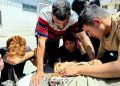
DaysofPal – Health officials in Gaza have warned that the humanitarian and medical crisis is worsening after new cases of meningitis were recorded, while hospitals face a severe shortage of medicines and medical supplies.
Ahmad Al-Farra, director of the Children’s Hospital at Nasser Medical Complex in Khan Younis, said the facility documented nine meningitis cases over the past two days. Among them was a young girl, Eileen Asfour, who died after her condition rapidly declined.
Al-Farra cautioned that the disease could spread quickly inside displacement camps, where extreme overcrowding and poor sanitary conditions create an environment conducive to outbreaks. He stressed that such conditions significantly raise the risk of epidemics.
Meningitis is a serious inflammation affecting the membranes surrounding the brain and spinal cord. It is commonly caused by viral or bacterial infections, including meningococcal bacteria. The illness is considered a medical emergency and can lead to death or permanent disabilities such as hearing loss or brain damage within hours. Its most common symptoms include severe headache, fever, and neck stiffness.
Jamil Suleiman, director of Al-Rantisi Children’s Hospital in Gaza City, said that the appearance of meningitis cases in the southern part of the Strip signals a real danger of transmission to the north, given the fragile health situation and extremely dangerous medical conditions.
He explained that the nature of the disease and its rapid spread in densely populated settings, combined with repeated displacement and forced movement, make any infection cluster a direct threat to all areas of Gaza. Suleiman added that the health system is suffering from serious exhaustion, shortages of staff, and a lack of essential supplies, limiting hospitals’ ability to respond to any potential outbreak.
He warned that the absence of laboratory testing and the necessary medications to treat meningitis could push the situation beyond control, calling for the issue to be handled as an urgent public health emergency.
In a related statement, Mohammed Abu Salmiya, director of Al-Shifa Medical Complex, described Gaza’s health conditions as the worst since the start of the war. He said more than 70 percent of medicines, including life-saving drugs, have run out due to the tightened blockade and restrictions on the entry of medical supplies.
Due to the spread of infectious diseases and seasonal viruses, which have recently killed children and the elderly, Abu Salmiya observed that hospitals are running at maximum capacity while patient numbers continue to rise. He added that medical teams continue their work despite direct targeting, pointing to the killing of around 1,600 health workers and the detention of hundreds more. He emphasized that a sense of humanitarian duty toward their people drives staff to keep working.
He urged the international community to take immediate action and exert pressure to allow the entry of medicines and medical equipment, warning that more preventable deaths will occur if border crossings remain closed.
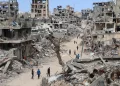
Currently, Gaza’s health sector is functioning through only 16 hospitals, all with limited operational capacity, after 22 hospitals were forced out of service due to destruction. In addition, 103 primary healthcare centers have been damaged or destroyed, cutting hundreds of thousands of people off from basic medical services.
The ambulance system has also suffered extensive damage, including the targeting of 211 ambulances and the destruction of 25 oxygen generation stations out of 35. Blood bank supplies have dropped by 90 percent, posing a serious threat to patients in emergency rooms and intensive care units.
Shortlink for this post: https://daysofpalestine.ps/?p=71720