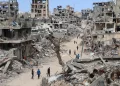

DaysofPal- Gaza’s Civil Defense forces are preparing on Sunday to confront the impact of a new weather front expected to hit the besieged enclave between Monday night and Tuesday, amid severe shortages of equipment, a total lack of fuel, and the worsening hardship of hundreds of thousands of displaced Palestinians living in worn-out tents that offer no protection from rain or cold.
In a statement, the Civil Defense said its teams and its “extremely limited” resources had been readied to deal with the anticipated consequences of the storm, particularly as thousands of displaced families are living in fragile tents and dilapidated shelters that could once again be submerged by flooding.
In just ten days, this is the second significant storm. The first left tens of thousands of tents underwater, intensifying an already dire humanitarian crisis compounded by two years of ongoing Israeli destruction and mass displacement.
The new storm comes at a time when no alternative housing exists for Gaza’s displaced population. Israel, the Civil Defense noted, continues to evade its obligations under the ceasefire agreement, particularly the commitment to open crossings and allow shelter materials into the Strip.
Gaza currently needs an estimated 300,000 tents and mobile homes to provide even the bare minimum of shelter for displaced families.
According to figures from the Gaza Government Media Office, the previous storm deepened the misery of 288,000 displaced families already facing flooding and a total collapse of basic living conditions. Residents are now bracing for another wave of heavy rain and powerful winds.
The statement also highlighted the worsening fuel crisis, describing it as the greatest obstacle to the Civil Defense’s ability to respond. Widespread destruction from the war has damaged around 90 percent of Gaza’s civilian infrastructure and left nearly 70 million tons of rubble choking roads and neighborhoods.
The Civil Defense warned that the failure to urgently supply fuel would further devastate the camps, potentially causing them to flood with rainwater or seawater.
It called for immediate international and regional intervention to provide sufficient fuel before the storm arrives.
The ceasefire agreement came into effect on October 10, 2025, ending an Israeli campaign that killed more than 69,000 Palestinians and injured over 170,000.
Shortlink for this post: https://daysofpalestine.ps/?p=69711