DaysofPal – In their brief dream, Habib Qeshta and his wife, Nour, saw a tiny glimmer of hope amid the devastation and the constant din of airstrikes: the couple’s second child, a boy. For four months, Nour carried that hope as food grew scarcer and hunger tightened like a fist around Gaza.
Their joy turned to horror. A week after learning the sex of the baby, a routine check-up revealed there was no heartbeat. The fetus had died; the doctor’s verdict: malnutrition.
“We were overjoyed to learn it was a boy,” Habib said. “Then a week later my wife began experiencing strange pain… the doctor told us the fetus had died due to malnutrition.”
“All we have are canned beans, duqqa, and thyme. Sometimes we don’t even have bread. For a pregnant woman, this can’t be considered nutrition,” he added.
Habib and Nour’s loss is not an isolated tragedy but a pattern unfolding across Gaza as a siege-turned-starvation policy strips families of basic sustenance, medical care, and dignity. Since the borders were slammed shut on 2 March, wheat flour and protein have become luxuries.
Prices have soared; aid convoys have been looted or blocked; and distribution points are dangerous to reach under bombardment. Hospitals are overwhelmed or reduced to makeshift clinics, and pregnant women are forced to rely on under-equipped medical points for care that should be routine.
A Wave of Miscarriages and Malnutrition Deaths
The human cost is stark. In the first half of 2025, health authorities recorded at least 2,500 miscarriages and neonatal deaths. At a hospital in southern Gaza, doctors reported the number of miscarriages in two months this year was double that of the same period in 2023.
Medical staff point to the same causes again and again: severe malnutrition, vitamin deficiencies, collapsed health services, and the constant trauma of displacement and bombardment.
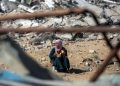
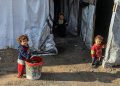
“My body is collapsing,” says 85-year-old Salim Asfour, who has lost some 35 kilograms since being displaced. Living in a flimsy tent west of Khan Younis, he survives on occasional canned food, a treasure in a landscape of shortages. “I never imagined I would spend the last years of my life like this… I am extremely frail.” Even after some aid trickled in, there was little protein, no eggs, no meat, only expensive, inadequate supplies that cannot restore health already lost.
The siege’s arithmetic is cruel and simple: no food, no fuel, no safe passage, and fewer functioning hospitals equals rising deaths from hunger, from preventable illness, and from complications that a functioning health system would have managed.
Official tallies point to hundreds who have already died from malnutrition, with children and the elderly hardest hit. Pregnant women and newborns, however, bear a different cruelty: the slow, invisible violence of a growing child denied the nutrients to survive.
Elders Wasting Away in Silence
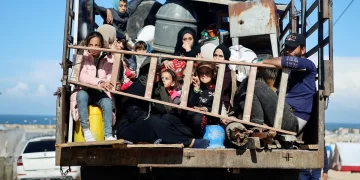
Aid that does arrive is often impossible to access. Distribution points are perilous under fire; supplies are siphoned off or looted; those who can, the young and the able-bodied, must run the gauntlet under shelling and gunfire. The old, the sick, the pregnant, and the frail cannot. They wait. They wither.
The human stories make the numbers unbearable. Parents ration scant loaves so children can eat. Women carry pregnancies through fear, hunger, and shattered clinics, knowing that every missed vitamin and every day of chronic hunger increases the odds of miscarriage or neonatal death. Families bury hopes along with the dead.
This is not merely war’s collateral damage. It is the elimination of basic life support: food, medical care, and safe movement. As plans for further offensives are announced and northern areas are declared combat zones where aid will be restricted, the already dire calculus of survival in Gaza grows bleaker.
For families like Habib’s and Nour’s, the siege is not an abstract policy; it is the reason a child never drew a first breath, the reason an elder’s hands tremble with weakness, and the reason whole generations face a future hollowed out by hunger.
If anything can pierce the fog of numbers and statements, it is this: a father describing the last moments of his unborn son, an old man tallying the weight he cannot hold, and the echo of cradles that will remain empty. These are the daily costs of a blockade that denies not only aid but also the most basic possibility of life.
Gaza’s hospitals and makeshift clinics keep treating the wounded and the dying with dwindling resources, but there are limits to what medicine can do when the food table is empty. The siege does not just wound bodies; it starves futures. Until access, protection, and humanitarian corridors are guaranteed, the tragedies will multiply: more pregnancies ending in loss, more children weakened before they can live, and more elders fading away in tents.
Habib and Nour named their lost child in private, a quiet act of defiance, a life that existed long enough for them to hope. Their grief is a message: when hunger becomes the weapon, every infant, every expectant mother, and every frail elder becomes a frontline. And behind the statistics are millions who will remember and who will ask, with mounting desperation, why the most basic necessities of life have been withheld.
Shortlink for this post: https://daysofpalestine.ps/?p=67827