
DaysofPal- The United Nations Children’s Fund (UNICEF) has sounded a grave alarm about the ongoing genocide in Gaza, stating that the relentless Israeli military campaign has created a “daily nightmare” for children. The organization warns that more than 1.1 million children are now enduring severe psychological trauma amid the devastation that has unfolded over nearly two years of unrelenting warfare.
A Generation Shattered by Violence
In a press briefing on Tuesday, Ammar Ammar, UNICEF’s Regional Director for Advocacy and Communications in the Middle East and North Africa, stressed that the situation in Gaza has reached catastrophic proportions.
“Gaza’s children are not just facing the threat of bombs,” he said. “They are living through a complete collapse of every aspect of normal childhood—education, safety, health, and hope.”
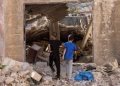
Ammar underscored that the Israeli bombardment has left a trail of destruction, robbing children of homes, schools, hospitals, and safe spaces. The ongoing trauma—compounded by malnutrition, forced displacement, and the constant loss of family members—has inflicted “deep emotional and psychological wounds” that may take a lifetime to heal.
Starvation as a Weapon
UNICEF also highlighted Israel’s deliberate use of starvation as a weapon of war. Ammar pointed to horrific scenes of skeletal children and infants dying from hunger and disease—victims not of natural disaster but of deliberate policy.
“This is not just a humanitarian crisis,” Ammar declared. “It’s a man-made catastrophe. We are witnessing preventable deaths due to a systematic denial of food, water, and medicine.”
In July alone, UNICEF documented over 12,000 cases of acute malnutrition among children. One in four is now suffering from severe acute malnutrition (SAM)—the deadliest form of hunger—which puts them at high risk of death and lifelong health complications.
Famine Conditions and Medical Collapse
UNICEF estimates that over 500,000 people in Gaza are currently trapped in famine-like conditions. The situation is exacerbated by the Israeli-imposed blockade, which continues to prevent the flow of essential humanitarian supplies.
Basic goods—including therapeutic foods, antibiotics, and safe drinking water—are either unavailable or stuck at borders. Health infrastructure, once fragile, has now collapsed entirely. With hospitals targeted and pharmacies looted or destroyed, children suffering from disease or malnutrition often have no access to life-saving treatment.
Medical personnel, working under extreme conditions, have reported having to donate their own blood to save young patients due to the complete depletion of medical stocks.
Violations of International Law
UNICEF did not mince words when describing the scale of the violations. “What is happening in Gaza is not just a war on children,” Ammar said, “but a war on the very fabric of life.”
The organization stressed that the continued destruction of civilian infrastructure and the use of starvation tactics represent grave breaches of international humanitarian law, amounting to war crimes and potentially crimes against humanity.
Despite these violations, international accountability has remained elusive, and children in Gaza continue to pay the highest price.
UNICEF’s Limited Access
While UNICEF is attempting to scale up operations inside Gaza, the agency reports being severely hindered by the Israeli blockade and “technical obstructions” that restrict access to entry points.
“We are doing everything we can,” said Ammar, “but it is nowhere near enough in the face of a total siege and a political environment that permits these atrocities to continue.”
Conclusion
After nearly 700 days of bombardment, siege, and starvation, Gaza’s children are growing up amidst ruins—with memories of death, hunger, and displacement replacing childhood dreams. As UNICEF has made clear, unless immediate and unfettered humanitarian access is allowed and the siege is lifted, a generation of Palestinians is being condemned to lifelong trauma—or worse, to death in silence.
Shortlink for this post: https://daysofpalestine.ps/?p=66935