DaysofPal – Doctors at hospitals run by the Al-Awda Community Health and Development Association—a partner organization of ActionAid International in Gaza—have reported a sharp surge in severe malnutrition cases among pregnant and breastfeeding women, as well as among young children.
The crisis comes as Israel’s total blockade on aid continues, leaving Gaza’s remaining food supplies depleted.
In a statement issued Wednesday, ActionAid said no food, clean water, medicine, or other essential items have entered Gaza for over 45 days, following Israel’s complete closure of all border crossings.
The organization described the blockade as a form of collective punishment and deliberate starvation of the population.
“People are going hungry and their health is deteriorating rapidly,” the statement said, citing the severe shortage of food that has forced bakeries and community kitchens to shut down and left markets nearly empty.
Dr. Wissal Abu Laban, a pediatrician and head of therapeutic nutrition at Al-Awda Hospital in central Gaza’s Nuseirat area, described the devastating impact on women’s health. “The effect on pregnant and breastfeeding women has been very clear,” she said.
“We’ve seen a significant rise in cases of moderate and severe malnutrition among them. This is the direct result of the blockade and closure of crossings over the past month. All of them suffer from anemia and iron deficiency due to the lack of food and supplements, which negatively affects their pregnancies.”
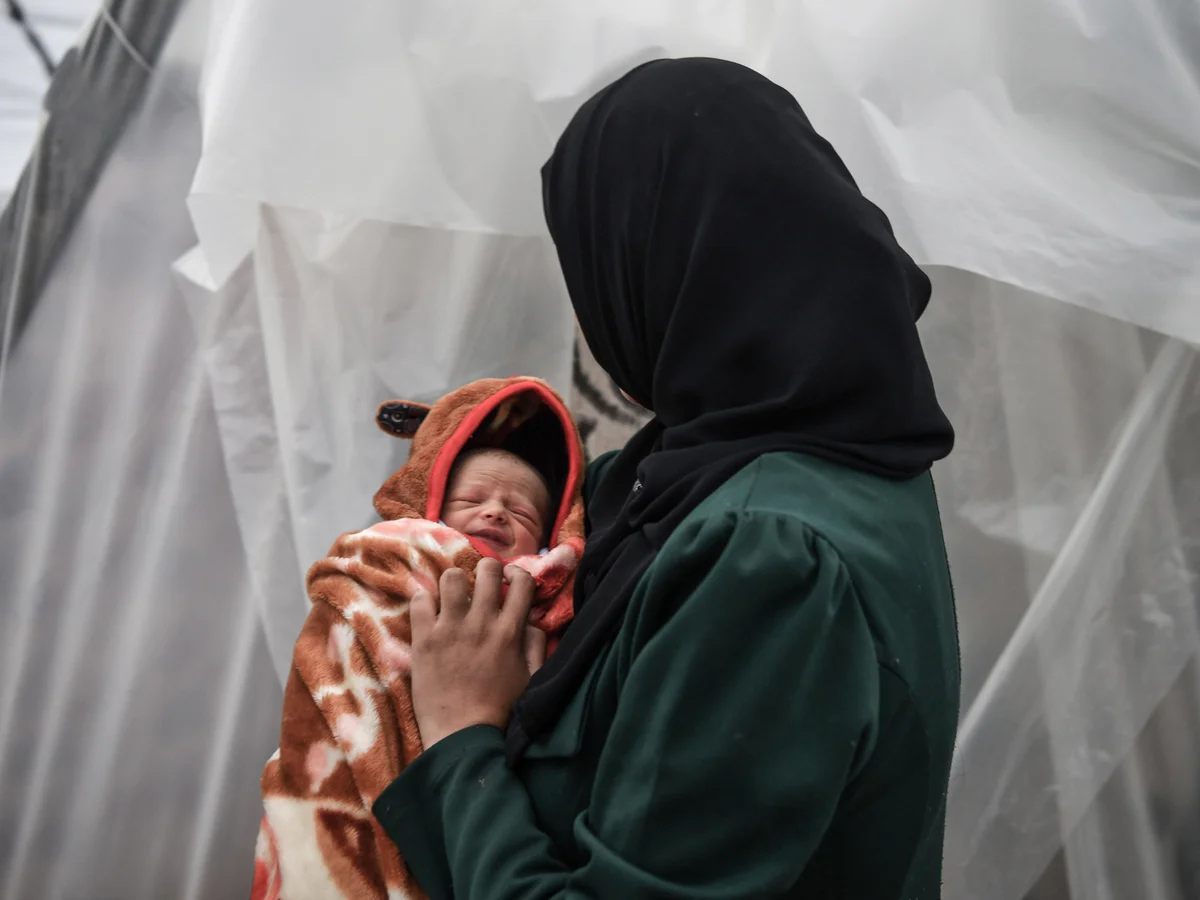
She noted that most newborns are now being delivered underweight. “Many of the babies we’re seeing weigh less than 2.5 kilograms at birth,” she explained. “There’s a direct connection between that and the mother’s own nutrition.”
Abu Laban added that some women are suffering miscarriages and bleeding during pregnancy, directly linked to anemia.
A recent survey conducted by a local nutrition group found that between 10% and 20% of pregnant and breastfeeding women in Gaza are suffering from malnutrition. One-third of the 55,000 pregnant women in the enclave are classified as high-risk pregnancies.
According to the World Health Organization, around 130 babies are born in Gaza every day, but basic medical supplies—such as anesthesia, painkillers, antibiotics, and blood units needed for complex deliveries—are almost entirely depleted.
Malnutrition is also surging among young children. Medical sources in Gaza estimate that roughly 60,000 children are now at risk of life-threatening health complications due to inadequate nutrition.
At the same time, access to treatment has become severely limited. UNICEF has been forced to close 21 of its nutrition centers due to Israeli airstrikes or forced evacuation orders, cutting off care for hundreds of children.
Riham Jafari, Advocacy and Communications Coordinator for ActionAid Palestine, warned of the catastrophic implications: “After more than six weeks of a deliberate and total ban on aid to Gaza, the devastating consequences of this illegal decision are becoming brutally clear,” she said.
“Severe malnutrition among pregnant women—putting both their lives and the lives of their babies at risk—and among children is escalating, with lifelong health consequences. Every day this aid blockade continues, the humanitarian catastrophe in Gaza deepens.”
Jafari added: “It is beyond the time for condemnation. Those in Gaza who have not been killed by the ongoing bombardment are now facing the risk of starvation. The international community must act immediately to enforce a permanent end to the war, ensure a full Israeli withdrawal from Gaza as outlined in the ceasefire agreement, and allow the urgent and widespread entry of life-saving aid to stop this worsening humanitarian disaster.”
Shortlink for this post: https://daysofpalestine.ps/?p=62115