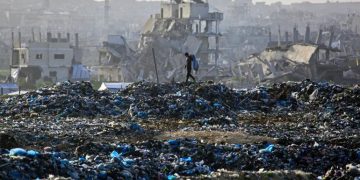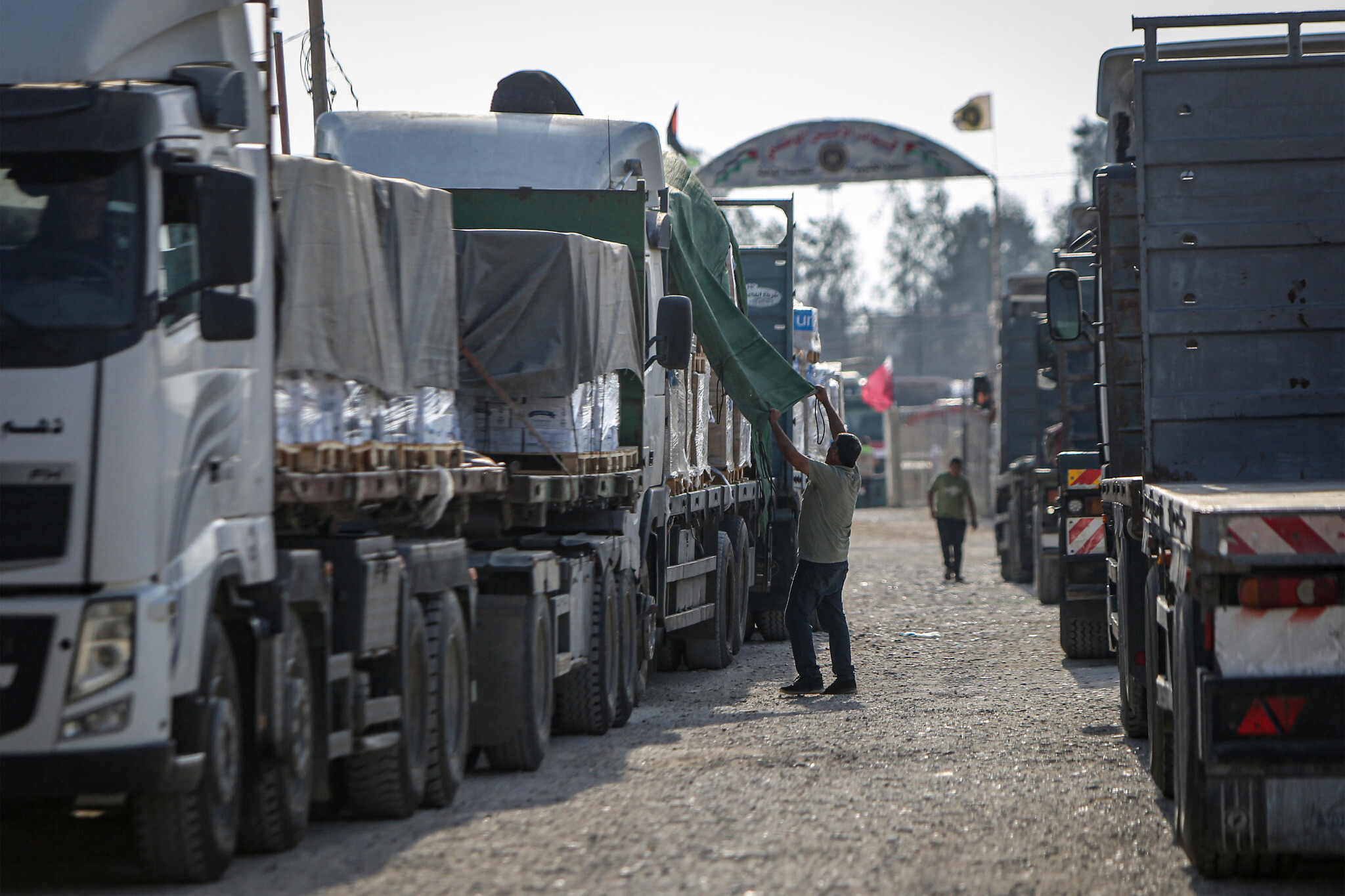
As Gaza continues to face a complete Israeli blockade, including the closure of all crossings and restrictions on aid, many are asking: What does international law actually say about this?
At the heart of international humanitarian law is the Fourth Geneva Convention of 1949—a set of rules that govern how civilians must be treated during times of war and occupation.
Under these conventions, Israel is considered the occupying power in Gaza, which places it under specific legal obligations to protect the lives and well-being of the Palestinian civilian population.
Article 55 of the Fourth Geneva Convention clearly states:
“To the fullest extent of the means available to it, the Occupying Power has the duty of ensuring the food and medical supplies of the population.”
If the territory being occupied cannot meet the population’s needs, the occupying power must actively bring in essentials, such as food, medicine, and other critical goods.
Article 59 goes even further, stating that if a population lacks adequate supplies:
“The occupying power shall agree to relief efforts and facilitate them by all means at its disposal.”
These relief efforts can be organized by foreign governments or humanitarian organizations, and must include shipments of food, medicine, and clothing.
Not only is Israel obligated to allow this aid in, but all signatories to the Geneva Conventions must permit the free and protected passage of such humanitarian assistance.
In the context of Gaza’s current crisis, where humanitarian aid has all but stopped and essential resources are critically low, these articles highlight that Israel has a legal duty to ensure the basic survival of civilians in Gaza, not just avoid harming them.
Blocking aid, especially during a time of clear humanitarian need, may be considered a violation of international law, specifically, the rules designed to protect civilians under military occupation.
Shortlink for this post: https://daysofpalestine.ps/?p=62649