DaysofPal – As Muslims prepare to observe the final ten days of Ramadan, Israeli authorities have imposed strict closure measures affecting several Islamic holy sites in Palestine. The restrictions focus particularly on Al-Aqsa Mosque in Jerusalem and the Ibrahimi Mosque in Hebron, preventing thousands of worshippers from reaching the mosques during the most sacred nights of the holy month.
These nights usually draw tens of thousands of worshippers who gather for late-night prayers, spiritual retreat, and the search for Laylat al-Qadr, considered the holiest night in the Islamic calendar. This year, however, military checkpoints, tightened security measures, and closures have significantly restricted Palestinian access to places of worship. The situation has sparked widespread frustration and concern among religious leaders and local communities.
Experts who monitor developments in Jerusalem and Hebron warn that the continuation of such measures represents a clear violation of freedom of worship. They say the policies reflect a broader strategy aimed at tightening control over access to Islamic holy sites, particularly during religious seasons that traditionally see large gatherings of worshippers.
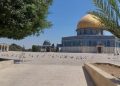
Al-Aqsa Mosque Closed to Worshippers
Jerusalem affairs researcher Hassan Khater said the heightened Israeli security measures and the closure imposed on the city will deprive thousands of Palestinians of the opportunity to perform prayers during the final days of Ramadan.
Khater explained that Israeli authorities have enforced strict military and security restrictions at the entrances to Jerusalem and the Old City, along with the closure of Al-Aqsa Mosque. These measures effectively prevent thousands of worshippers from performing nightly prayers and spiritual retreats inside the compound during the final ten nights of Ramadan, rituals that hold special significance for Muslims.
Tens of thousands of people typically travel to Al-Aqsa Mosque during this time to participate in night prayers and observe the auspicious nights of Ramadan. He added that the current situation fits within a continuing Israeli policy aimed at imposing new realities at the mosque and limiting the Islamic presence at the site. Khater called on international institutions and human rights organizations to intervene and halt measures that restrict freedom of worship and prevent Palestinians from reaching their religious sites.
He stressed that Al-Aqsa Mosque will remain an exclusive place of worship for Muslims, adding that restrictions and closures will not weaken the deep connection between Palestinians and their holy sites.
Ibrahimi Mosque Closed After Tight Restrictions
Hifzi Abu Sneineh, director of the Ibrahimi Mosque, said Israeli measures and the closure of the site during the final days of Ramadan will deprive thousands of worshippers of the chance to perform prayers during the sacred nights.
Speaking to the Palestinian Information Center, Abu Sneineh stated that Israeli forces closed the gates of the mosque and prevented worshippers from reaching it while tightening military restrictions in the surrounding area and the Old City of Hebron. These measures have effectively halted the Ramadan prayers and religious activities usually held there.
He explained that the restrictions prevent worshippers from observing night prayers and spiritual retreat during the final ten nights of Ramadan, a period when Muslims traditionally gather in mosques to devote themselves to worship.
Abu Sneineh noted that the Ibrahimi Mosque normally receives thousands of worshippers from Hebron and various parts of the occupied West Bank during these days. The closure and military restrictions have blocked their access to the mosque.
He also pointed out that staff from the Islamic Waqf face significant difficulties reaching the site to manage its religious and administrative affairs due to the heavy security restrictions in the area.
Abu Sneineh warned that the continued closure of the Ibrahimi Mosque during the final days of Ramadan constitutes an infringement on Muslims’ right to practice their religious rituals freely and violates the longstanding historical and legal status of the site. He urged international organizations and human rights groups to intervene and pressure Israeli authorities to reopen the mosque and allow worshippers to perform their prayers.
Shortlink for this post: https://daysofpalestine.ps/?p=72775