DaysofPal- The International Court of Justice (ICJ) has announced that it will hold public hearings starting April 28 in The Hague to examine Israel’s legal obligations concerning the facilitation of humanitarian operations by UN agencies, non-governmental organizations (NGOs), and neutral states in Gaza and the occupied West Bank.
The hearings follow a request by the United Nations for an advisory opinion on Israel’s restrictions against humanitarian access.
The UN specifically seeks legal clarity on Israel’s right to limit or ban the operations of the United Nations Relief and Works Agency for Palestine Refugees (UNRWA), along with the country’s continued denial of humanitarian aid entry into Gaza, now lasting several weeks.
In the lead-up to the hearings, more than 45 countries and international organizations have submitted written statements. Although Israeli representatives are not expected to attend the hearings in person, the Israeli Foreign Ministry has confirmed it will provide a written submission to the court.
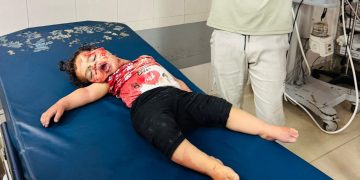
The humanitarian situation in Gaza continues to deteriorate. On Wednesday, the United Nations Office for the Coordination of Humanitarian Affairs (OCHA) warned that the ongoing blockade is “depriving people of the means to survive.” According to OCHA, food supplies throughout Gaza are seeing a “serious decline,” and malnutrition is rapidly escalating.
A particularly stark warning came from a recent UN assessment: “1,300 children in northern Gaza [were] examined, and more than 80 cases of acute malnutrition [were] identified, a two-fold increase from previous weeks.”
The report also highlighted that nutrition partners face “severe supply shortages due to aid blockages and challenges in transporting essential items into and within the Gaza Strip.” Access to critical infrastructure, such as the UNICEF warehouse in Rafah, remains heavily restricted.
OCHA has urged influential UN member states to act decisively and press for an “immediate” end to the obstruction of humanitarian assistance.
It stressed that aid must not only be allowed in but also be distributed freely and safely across the affected regions, in adherence to the core humanitarian principles of humanity, neutrality, impartiality, and independence.
Adding to the urgency, Louise Wateridge, an emergency officer at UNRWA, described the worsening public health situation, stating that “widespread disease” is spreading and that Gaza is suffering from a lack of “sufficient medicines” after more than 50 days without aid. She also warned of critical shortages in agricultural and sanitation supplies:
“Supplies in Gaza are running out, including pesticides, with only a 10-day supply left, and when that happens, they won’t be able to provide any kind of protection.”
For seven weeks, Israel has been blocking the entry of humanitarian aid, medical and commercial supplies, food, pediatric vaccines, and fuel.
Shortlink for this post: https://daysofpalestine.ps/?p=62315