DaysofPal- Thousands of Palestinian displaced families from the southern Gaza City of Rafah are enduring severe living conditions in makeshift camps as winter deepens, even as hopes of returning to their destroyed city remain alive.
In the al-Mawasi area west of Khan Younis, rows of worn tents shelter families who were forced to flee Rafah during the ongoing Israeli war in Gaza.
Among them is 74-year-old Hussein Saleh, known as Abu Fadi, who now lives with his children and grandchildren after spending his entire life in Rafah before being displaced more than a year and a half ago.
Saleh’s experience mirrors that of more than 250,000 Palestinians who were driven out of Rafah amid intense military operations.
Most have taken refuge in al-Mawasi, a coastal strip near the city, holding on to the hope that they will eventually return despite the extensive destruction left behind.
As winter conditions worsen, displaced families say their suffering has intensified. Heavy rain and strong winds have ripped through tents weakened by months of use, exposing residents to cold temperatures, flooding, and harsh living conditions.
“We know Rafah has been completely destroyed,” Saleh told Palestine Online, gesturing toward the distant skyline.
“We hear explosions every day as what remains of our homes is demolished. Still, the hope of returning never fades.” Saleh added.
From nearby sand dunes, the devastation of Rafah is visible just a short distance away. Yet residents say the physical proximity only deepens their sense of loss, as Israeli military control continues to prevent them from returning.
Saleh said his home in the Tel al-Sultan neighborhood was destroyed early in the war. After months of moving within Rafah, he was forced to leave the city altogether in May 2024 and relocate to al-Mawasi.
Despite the destruction, he remains determined to return, even if it means starting over in a tent.
“Going back would be the first step, After that, rebuilding can begin,” he said.
For nearly 18 months, Rafah’s population has faced one of the most severe displacement crises in Gaza.
Once a refuge for Palestinians fleeing bombardment elsewhere in the Strip, the city has been reduced to vast stretches of rubble following sustained airstrikes and demolitions.
Homes, infrastructure, and historic sites have been largely destroyed, while access remains restricted.
Winter has further exposed the fragility of life in displacement. Torrential rain, cold temperatures, and powerful winds have flooded camps and torn through shelters made of fabric and plastic, turning daily survival into what families describe as an overwhelming struggle.
Health and environmental concerns are also mounting. Winter-related illnesses are spreading rapidly, particularly among children and the elderly, as medical facilities face shortages of medicines and supplies due to continued restrictions on aid entering Gaza.
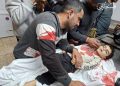
Children, who make up the majority of the displaced, are among the most vulnerable. Living in overcrowded camps, many have lost access to education, warmth, and safe spaces, spending most of their time confined to cold, cramped tents.
Parents report widespread psychological and physical effects on children, including anxiety, sleep disorders, bed-wetting, malnutrition, and general weakness.
“We feel helpless; we watch our children suffer and cannot protect them,” Saleh said.
Despite the devastation and prolonged displacement, Rafah’s displaced residents say their connection to their city remains unbroken, sustained by the belief that return and reconstruction, no matter how distant, are still possible.
Shortlink for this post: https://daysofpalestine.ps/?p=70667