
DaysofPal— Malnutrition continues to pose a grave threat to children in the Gaza Strip, amid worsening health and environmental conditions due to the Israeli suffocating siege, according to medical officials on the ground.
Dr. Ahmed Al-Farra, head of the pediatric department at Nasser Medical Complex, warned that the situation remains critical, citing the combined impact of malnutrition and the spread of infectious and environmental diseases.
Speaking to local media on Monday, Al-Farra revealed that the malnutrition clinic at Nasser Medical Complex, operating twice a week, recently received 75 children in a single day, far exceeding its capacity of 30 patients.
He said the surge reflects mounting pressure on Gaza’s already strained healthcare system.
Although conditions have slightly improved compared to the peak of the famine, around 50% of current cases are classified as moderate malnutrition, down from 75% severe cases during the height of the crisis.
However, Al-Farra stressed that the figures remain far from acceptable health standards.
He added that between 60% and 70% of children in Gaza suffer from anemia, along with approximately 60% of pregnant women, underscoring the ongoing nutritional crisis.
Al-Farra warned that continued border closures could push conditions back to more dangerous levels, highlighting a “serious imbalance” in Gaza’s food system due to restrictions on essential goods.
He noted that while some non-essential items are allowed into the enclave, key food sources such as eggs, fresh vegetables, and fruits are largely restricted, undermining food security.
The shortage of natural protein sources has forced residents to rely on frozen foods of uncertain quality and storage conditions, further exacerbating health risks. He also pointed to the unstable availability of infant formula, describing it as a factor contributing to a “manufactured state of hunger.”
This instability, he explained, has led to serious health complications among children, including intestinal infections, diarrhea, blood in stool, allergies, and skin rashes.
In addition to malnutrition, Al-Farra reported a surge in infectious diseases, including widespread cases of chickenpox among children. Some cases have developed severe complications such as encephalitis, with patients experiencing coma-like symptoms and extremely high fevers.
Rodent- and insect-related injuries are also on the rise, with increasing reports of bites from rats, fleas, and mosquitoes. Thousands of such cases have been recorded across Gaza, with new cases arriving daily at emergency departments.
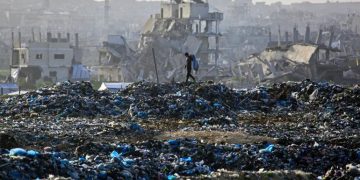
Al-Farra attributed the spread of rodents to the accumulation of rubble and waste, restrictions on pest control materials, and limited access to waste disposal sites, all of which have worsened the environmental crisis.
He further warned that the destruction of sewage infrastructure has led to wastewater leaking into groundwater sources used for drinking and sanitation, significantly increasing the risk of contamination.
Skin diseases, particularly scabies, are also spreading rapidly, with treatment hampered by a severe shortage of effective medications.
Authorities have reportedly restricted the entry of such medicines, forcing reliance on less effective alternatives.
Al-Farra described the overall situation as a “suffocating health and environmental crisis” requiring urgent intervention to prevent further humanitarian deterioration.
According to United Nations data released in January 2026, acute malnutrition cases in Gaza have reached approximately 95,000.
The UN Children’s Fund (UNICEF) has also warned that continued malnutrition threatens the lives and long-term health of children, with around 9,300 children currently affected.
Nearly two million Palestinians in Gaza are living under catastrophic conditions due to ongoing restrictions and delays in the delivery of sufficient humanitarian aid.
Hospitals, already overwhelmed, are struggling to provide adequate care amid severe shortages of medicines and medical supplies.
Data from the Ministry of Health indicates that during the previous famine phase, prior to the ceasefire, 460 deaths were recorded due to starvation and malnutrition, including 154 children.
Shortlink for this post: https://daysofpalestine.ps/?p=74202