DaysofPal – In a new stage of systematic escalation, Israeli authorities are enforcing extensive security measures in Jerusalem. The city is witnessing intensified military deployment, expanded police powers, tighter checkpoints, and security appointments linked to hardline policies. These steps point to a strategy aimed at turning Jerusalem into a heavily controlled security zone and restricting access to Al-Aqsa Mosque during one of the most spiritually significant periods of the year.
Jerusalem affairs researcher Ismail Muslimani said the city has experienced an unprecedented wave of militarization in recent weeks. He described the measures as preemptive preparations for Ramadan designed to impose strict security control and transform the city into an “open military barracks.”
Muslimani explained that the scale of forces deployed and the tools being used exceed those of previous years. He said Israeli authorities are adopting a doctrine based on preemptive deterrence rather than responding to specific incidents.
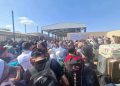
The measures include the expansion of military checkpoints inside Palestinian neighborhoods, the heavy deployment of special units and border police, and broader powers granted to forces operating around Al-Aqsa Mosque and the Old City.
Muslimani argued that these policies are intended to reduce the number of worshippers reaching Al-Aqsa during Ramadan and to create psychological pressure on Jerusalem residents, limiting their ability to practice their religious rituals freely. He linked the developments to a broader political agenda focused on asserting Israeli sovereignty over the city by force and reshaping its administration through security dominance rather than adherence to established legal and historical arrangements.
He added that militarization extends beyond visible security deployment. Administrative and legal tools such as deportation orders, summonses for interrogation, and bans on entering Al-Aqsa are being used as forms of collective deterrence. Muslimani warned that these policies violate freedom of worship and could further inflame tensions in the city.
Expanded Security Powers
Hassan Khater, head of the Jerusalem Center, said the intensified measures have been reinforced by recent security appointments overseen by National Security Minister Itamar Ben-Gvir. He stated that these appointments granted wide powers to hardline figures responsible for managing the security file in Jerusalem.
Khater said this shift has translated into an unprecedented increase in security forces and tighter control over Palestinian neighborhoods and the Al-Aqsa compound. He noted that Israeli authorities treat Ramadan as a security challenge rather than a religious occasion, leading to policies centered on restriction, prevention, and collective punishment.
According to Khater, the militarization of Jerusalem has evolved into a permanent policy aimed at restructuring the city’s public space under full Israeli security control. He argued that these measures target the Palestinian presence in Jerusalem and seek to weaken the deep-rooted connection between residents and Al-Aqsa Mosque through fear, movement restrictions, and daily inspection procedures.
Khater warned that continuing such policies under a far-right government could lead to serious consequences for the city’s stability. He called for genuine international protection for Jerusalem and urgent action to halt the escalating repression before Ramadan begins.
Rights Groups Document Systematic Restrictions
Assessments by Muslimani and Khater align with documentation by local and international rights organizations. Reports from the United Nations Office for the Coordination of Humanitarian Affairs (OCHA), along with Israeli groups such as B’Tselem and the Association for Civil Rights in Israel, point to a systematic increase in restrictions on Palestinians in Jerusalem before and during Ramadan.
According to OCHA data, the number of military checkpoints and temporary barriers in and around East Jerusalem rises by more than 40 percent during Ramadan compared with other months. Thousands of police and border officers are deployed in the Old City and near Al-Aqsa, particularly on Fridays and during the last ten nights of the holy month.
Jerusalem-based rights groups recorded more than 1,200 deportation and entry-ban orders to Al-Aqsa over the past year. Hundreds were issued in the weeks leading up to Ramadan and targeted young men, women, guards, preachers, and activists. The duration of these bans ranged from one week to six months.
Organizations have also documented hundreds of cases in which Palestinians were denied access at checkpoints leading to Jerusalem, especially at Qalandiya and Bethlehem. Many West Bank residents were prevented from entering the city despite holding official permits.
B’Tselem reported that Israeli police frequently rely on broad terms such as “security suspicion” or “disturbing public order” to justify denying worshippers entry. Dozens of cases of physical assault and mistreatment have been recorded each year within the vicinity of Al-Aqsa.
The Association for Civil Rights in Israel noted that police have imposed age-based restrictions in previous Ramadan seasons, barring individuals under 40 or 50 years old from entering Al-Aqsa on certain days. The organization considers such measures a direct violation of freedom of worship guaranteed under Article 18 of the International Covenant on Civil and Political Rights.
Shortlink for this post: https://daysofpalestine.ps/?p=72111