DaysofPal- Israeli occupation forces have ordered the medical aid organization Médecins Sans Frontières (Doctors Without Borders) to halt its work in the Gaza Strip and leave the territory by 28 February, a decision that risks cutting off vital healthcare for hundreds of thousands of Palestinians at a time when Gaza’s medical system is close to collapse.
The order was issued by Israel’s Ministry of Diaspora Affairs and Combating Antisemitism, which cited the organization’s refusal to submit detailed lists of Palestinian employees, a condition recently imposed on humanitarian groups working in Gaza.
In a statement, the ministry said it intends to revoke the organization’s operating status due to what it described as failure to comply with administrative requirements. It warned that continued non-compliance would lead to a complete suspension of activities and the forced departure of medical teams from Gaza.
Doctors Without Borders said its legal registration with Israeli authorities expired at the start of January 2026. Without reversal of the decision, the organization said it will be compelled to stop its work by early March.
Aid Group Rejects Israeli Claims
The organization rejected the Israeli narrative, describing the move as part of a sustained campaign aimed at weakening humanitarian action in Gaza and the occupied West Bank. It said the pressure forms part of a broader strategy to restrict lifesaving assistance and silence organizations documenting the humanitarian impact of the war.
Doctors Without Borders warned that closing its operations would deprive nearly half a million Palestinians of access to medical care and clean water at a time when shortages of medicines, supplies, and specialist staff are at critical levels.
The organization said it repeatedly attempted to engage in dialogue with Israeli authorities to renew its registration. It stressed that it showed openness to sharing limited information under strict conditions designed to protect its staff.
On 23 January, Doctors Without Borders said it signaled conditional readiness to submit partial employee lists as an exceptional measure, provided the data would not be used beyond administrative purposes. It added that Israeli authorities failed to offer credible assurances regarding staff safety or an end to incitement campaigns, leading the organization to refuse full disclosure.
The group said the policy forces humanitarian organizations into a dangerous dilemma: risking the safety of their workers or denying medical care to patients.
Part of a Wider Crackdown on Humanitarian Work
The decision comes within a broader Israeli escalation against aid organizations over the past two years. These measures have included restrictions on aid entry, prolonged delays for international staff permits, and bans on essential medical equipment.
Similar steps were previously taken against the UN agency for Palestinian refugees, UNRWA, leading to the suspension of services in several areas and a sharp reduction in assistance to millions of refugees.
Since late 2024, Israel has expanded a policy of intensive security screening for humanitarian workers, linking work permits to the submission of detailed personal data. International organizations have criticized the policy as incompatible with humanitarian neutrality and independence.
The pressure on aid organizations has coincided with a steep reduction in the number of relief trucks allowed into Gaza and the prolonged closure of major crossings. These restrictions have accelerated the deterioration of living conditions and placed additional strain on the remaining health facilities.
Medical Impact at Risk
According to figures released by Doctors Without Borders, its teams treated more than 100,000 people with serious injuries during 2025, carried out about 22,700 surgical procedures, and provided nearly 800,000 medical consultations.
The organization also assisted in over 10,000 births, delivered extensive mental health support, supported six government hospitals, operated two field hospitals, and ran multiple clinics, medical points, and a therapeutic nutrition center.
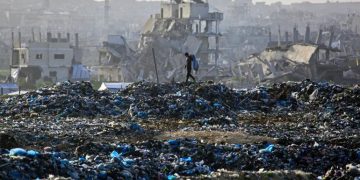
These services were delivered while UN reports confirm that most hospitals in Gaza have been destroyed or rendered inoperable, with more than 70 percent of health facilities out of service due to attacks, fuel shortages, and lack of supplies.
Doctors Without Borders said it continues to explore all possible ways to maintain its humanitarian response despite growing obstacles. It urged Israeli authorities to reverse the decision and ensure conditions that respect international humanitarian law and UN Security Council resolutions.
The organization warned that continuing to dismantle humanitarian operations in Gaza risks triggering an even wider medical catastrophe for a population already facing extreme deprivation.
Shortlink for this post: https://daysofpalestine.ps/?p=71844