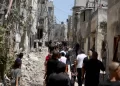
DaysofPal— Gaza is facing an unprecedented recovery crisis in the aftermath of the ongoing Israeli genocidal war, with tens of thousands of orphans, widows, and sole survivors left behind, a senior social development official said Thursday.
Riyad Al-Bitar, Deputy Minister of Social Development in Gaza, revealed during a press conference at the ministry’s headquarters that more than 80 percent of the population has lost their homes, forcing families into worsening humanitarian conditions.
According to Al-Bitar, the war has resulted in more than 75,000 children losing one or both parents, alongside over 68,000 sole survivors, including both minors and adults.
He added that at least 45,000 women have been widowed, including 28,000 during the most recent phase of the Israeli war.
Around 8,000 of those cases have been recorded since October 7, 2023, with numbers expected to rise.
He said that approximately half of Gaza’s population, around one million people, are currently living in displacement centers, including schools and facilities run by the United Nations Relief and Works Agency (UNRWA), while the rest are displaced outside official shelters.
Only about 10 percent of residents remain in partially damaged homes that lack basic safety standards.
Al-Bitar highlighted a severe shortfall in humanitarian aid, stating that the number of aid trucks entering Gaza since the ceasefire ranges between 120 and 150 per day, far below the minimum required to meet basic needs.
He described the situation as indicative of policies restricting the flow of assistance.
Citing data from the United Nations Office for the Coordination of Humanitarian Affairs (OCHA), he said international funding for Gaza has reached only 25 percent of the total required, significantly affecting relief programs.
Community kitchens, for example, are producing around 300,000 meals per day, compared to an estimated need of one million.
He warned that the recovery system in Gaza remains largely stalled, with humanitarian organizations struggling to resume full operations due to the scale of destruction and ongoing funding shortages.
Approximately 75 percent of the necessary funding has yet to be secured, he added.
Al-Bitar also accused Israeli occupation of maintaining tight control over humanitarian operations through administrative and security measures that complicate aid delivery and link humanitarian work to broader political and military considerations.
He noted that essential services, including social welfare, education, and healthcare, are either completely halted or functioning at minimal capacity.
The situation is further aggravated by rising prices, economic paralysis, and irregular salary payments for many public sector employees.
In addition, logistical and administrative challenges, including banking restrictions and regulatory barriers on some donor-funded programs, are complicating relief efforts and increasing inefficiencies in aid distribution.
Al-Bitar stressed the need to unify humanitarian coordination under a national framework led by the Ministry of Social Development, calling for improved data systems and cooperation with charitable organizations to ensure fair and effective aid delivery.
He concluded by announcing the adoption of a unified national system linked to the civil registry, aimed at continuously updating citizens’ data and establishing a comprehensive database to improve transparency and equity in assistance distribution.
The remarks come amid continued warnings from officials and humanitarian agencies about the deepening crisis in Gaza, where large-scale displacement and infrastructure destruction have left the population heavily dependent on limited aid.
Shortlink for this post: https://daysofpalestine.ps/?p=75941