DaysofPal-In a devastating escalation of long-standing tensions, reports indicate that Israeli occupation forces have intensified their campaign of ethnic cleansing in the West Bank, particularly targeting Area C—a region comprising two-thirds of the territory.
This systematic effort to displace Palestinian communities and reshape the demographic landscape has drawn sharp criticism from human rights advocates and regional experts alike.
According to Jamal Al-Amleh, an advisor to the Land Research Center, the Israeli government’s far-right leadership is accelerating its decades-long strategy to annex large portions of the occupied West Bank.
Since coming to power, this administration has prioritized imposing Israeli sovereignty over the area, disregarding agreements made with the Palestinian Authority nearly three decades ago.
“The Israeli occupation targets all Palestinian communities wherever they are,” Al-Amleh told Filastin newspaper. “The goal is clear: to uproot Palestinians from their lands and re-engineer both the geography and demography of the West Bank to serve the Zionist project.”
A Systematic Campaign of Displacement
Area C, which falls under full Israeli administrative and military control according to the Oslo Accords, has become ground zero for these policies. Home to approximately 65% of Hebron’s landmass in the southern West Bank, it has witnessed relentless attacks on Palestinian property and livelihoods.
Israeli settlers, emboldened by Western support for Israeli far-right government and the global focus on the Gaza conflict following October 7, 2023, have seized the opportunity to expand their influence.
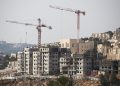
Al-Amleh revealed that settlers are actively displacing entire residential communities to establish pastoral settlements across the West Bank. These settlements, often fenced off and inaccessible to locals, now cover vast swathes of Palestinian land.
Currently, 35 such pastoral settlements encroach upon approximately 500,000 dunams (123,553 acres), while around 540 settlements and outposts collectively control another 200,000 dunams.
Communities in Masafer al-Khalil, Yatta, al-Bariat, and the Palestinian Jordan Valley have been especially hard-hit. Residents face daily harassment, destruction of homes and infrastructure, confiscation of water resources, and vandalism of agricultural lands. Such tactics are designed to intimidate families into abandoning their ancestral homes and relocating to Areas A and B—the only parts of the West Bank nominally governed by the Palestinian Authority.
Humanitarian Crisis Deepens
The consequences of these actions are dire. Over the past few years, at least 28 Palestinian residential communities have been forcibly displaced, leaving thousands homeless and without access to necessities like clean water and shelter. Many more remain at risk as settler violence escalates unchecked.
“The world must wake up to what is happening here,” warned Al-Amleh. “This is not just about destroying homes; it’s about erasing our presence altogether. It’s ethnic cleansing.”
International observers fear that the ongoing war in Gaza has diverted global attention away from the plight of Palestinians in the West Bank. Meanwhile, the Israeli government continues to exploit the situation, pushing forward with controversial settlement expansion plans despite widespread condemnation.
Calls for Accountability
Human rights organizations and legal experts argue that Israeli crimes constitute violations of international law, including the Fourth Geneva Convention, which prohibits occupying powers from transferring civilian populations into occupied territories or forcibly displacing indigenous populations. Yet, accountability remains elusive, with powerful allies shielding the Israeli occupation from meaningful repercussions.
As the humanitarian crisis deepens, calls for urgent intervention grow louder. Activists urge the international community to pressure the Israeli occupation to halt its destructive policies and respect Palestinian rights. Without decisive action, they warn, the dream of a viable two-state solution—or any semblance of justice for Palestinians—will slip further out of reach.
For now, the people of the West Bank endure, clinging to hope amidst the ruins of their villages and the scars of dispossession. Their resilience is a testament to their determination to resist erasure—but time is running out.
Shortlink for this post: https://daysofpalestine.ps/?p=62177