DaysofPal- The sanitation sector in Gaza is on the brink of collapse, exacerbating the suffering of its citizens as massive destruction is caused by prolonged Israeli genocidal war.
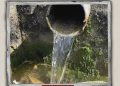
Assem al-Nabih, a spokesperson for Gaza Municipality, highlighted the dire situation during an interview with Palestine newspaper, emphasizing that rainwater mixing with untreated sewage in the Sheikh Radwan Pond has created both an environmental and health disaster threatening residents.
A Perfect Storm of Challenges
Al-Nabih explained that despite completing a drainage line from the pond to the sea and conducting a pilot test, the operation could not proceed efficiently due to a critical shortage of fuel needed to power pumps.
“The rising water level in the pond during low-pressure systems increases the risk of flooding,” he warned, stressing that securing fuel is now more urgent than ever to prevent potential disasters.
The challenges extend beyond just one location. Al-Nabih noted that the main transmission line leading to the Sheikh Radwan Pond has suffered significant damage since the start of the latest Israeli aggression against Gaza in October 2023.
Efforts to repair it have been hindered by shortages of essential equipment and fuel. Additionally, Station 7B in the Zeitoun neighborhood has ceased operations entirely due to damage, causing sewage to leak into streets and further pollute the pond.
“This isn’t just about one area; it’s a systemic issue affecting the entire sanitation network,” said al-Nabih. “Sewage leaking into the streets poses serious risks to public health and the environment.”
Long-Term Damage from Israeli Aggression
The root cause of this crisis lies in the extensive destruction wrought by Israeli occupation forces over nearly two years of relentless attacks.
Vital facilities such as transmission lines and wastewater treatment plants were severely damaged or destroyed during what many describe as a genocidal war targeting Gaza’s infrastructure.
The central treatment plant in Sheikh Ajlin remains nonfunctional, leaving no viable means to process the vast amounts of sewage generated daily.
“The sanitation system in Gaza is under tremendous pressure,” stated al-Nabih. “Without immediate intervention, we face catastrophic consequences that could endanger the lives of thousands of people.”
Appeals for International Support Fall on Deaf Ears
In response to the escalating crisis, Gaza Municipality has repeatedly appealed to local and international authorities for maintenance equipment, heavy machinery, and sufficient quantities of fuel.
However, these requests remain largely unfulfilled. Al-Nabih emphasized that only the resumption of all vital facilities and comprehensive repairs to sewage treatment plants can provide a lasting solution.
“Continuing down this path will result in irreversible environmental and health damage,” he warned. “We are at a breaking point, and time is running out.”
Ceasefire Hangs by a Thread
Despite a ceasefire agreement brokered by Qatar, Egypt, and the United States that went into effect on January 19, 2025, the Israeli occupation continues to preach the deal, and prevents food supplies from getting into the Gaza Strip.
With the conclusion of the first phase of the ceasefire—42 days aimed at allowing humanitarian aid access—Israeli occupation forces have refused to move forward with the second phase, which includes ending their military aggression.
All crossings into Gaza have been closed once again, blocking the entry of much-needed supplies and raising fears of renewed violence.
“This blockade is suffocating us,” lamented al-Nabih. “Without fuel, equipment, and other essentials, our ability to mitigate this crisis is severely limited. If the occupation persists in denying us basic resources, the humanitarian catastrophe will deepen, and recovery may become impossible.”
As winter rains threaten to flood Gaza’s already overwhelmed sanitation system, the urgency of addressing this crisis cannot be overstated. For the people of Gaza, every day without action brings them closer to a future defined by disease, despair, and ecological ruin.
Shortlink for this post: https://daysofpalestine.ps/?p=61327