DaysofPal — The municipality of Khan Yunis has sounded the alarm over a worsening humanitarian catastrophe after Israeli forces seized control of vital agricultural lands east of the city, including the Morag axis—once the last lifeline of local food production in southern Gaza.
Speaking at a press briefing on Thursday, Saeb Laqqan, spokesperson for the Khan Yunis Municipality, said the Israeli occupation has expanded its grip on eastern and southern neighborhoods—including Salam, Qizan Abu Rashwan, and parts of Qizan Al-Najjar—through “a campaign of systematic destruction and forced displacement.”
He added that artillery shelling and airstrikes have emptied entire communities to pave the way for what Israel calls a “security buffer zone.”
“These areas were not only residential but also our primary food basket,” Laqqan said. “The occupation has deliberately targeted every source of sustenance.”
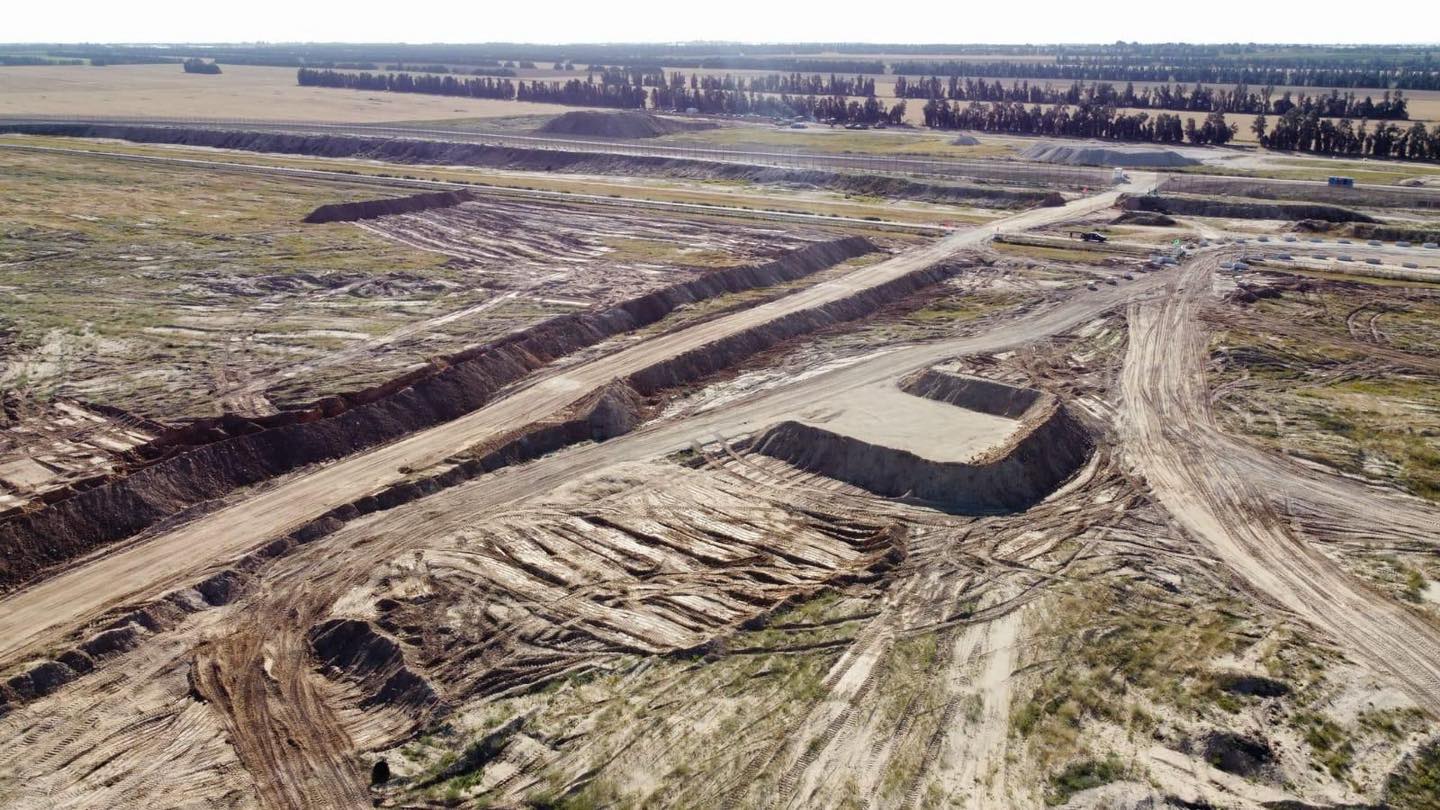
The most severe blow, he added, was the takeover of the Morag axis and surrounding farmland, including Al-Mawasi—a fertile agricultural zone that had supported both the city and tens of thousands of displaced Palestinians.
Since Israel began its full-scale assault in March, approximately 800,000 people have been forced into Al-Mawasi, overwhelming the area and effectively halting all agricultural activity.
“Now, Khan Yunis is without locally grown food and unable to import any due to the blockade. We are facing an engineered famine,” Laqqan warned.
On April 14, Israeli Defense Minister Yoav Gallant announced that Israeli forces had seized the 12-kilometer Morag axis, a key corridor stretching east to west across southern Gaza.
He claimed that the corridor—running between the Philadelphi Route and Morag—would be integrated into Israel’s so-called “security belt,” effectively bisecting the Strip and cutting off Khan Yunis from Rafah.
But the crisis is not limited to food insecurity.
Laqqan said the water system is on the verge of collapse. Israeli forces targeted the Ma’an water line—vital infrastructure that serves six major neighborhoods—leaving more than 100,000 residents without access to clean water.
At the same time, Israel has cut off the city’s supply from the Israeli-run Mekorot water company.
Fuel shortages have compounded the situation, bringing water wells, desalination plants, and sewage systems to a grinding halt.
“The city is now staring down the collapse of all essential services,” Laqqan said. “The occupation is deliberately dismantling the pillars of life: food, water, health, and infrastructure. This is collective punishment by design.”
He issued an urgent plea to the international community and humanitarian organizations to intervene with emergency fuel and life-saving aid for the more than 400,000 people trapped in Khan Yunis.
The crisis has deepened since March, when Israeli forces cut off power to Gaza’s main water desalination plant. A few days later, a second facility—the second-largest in Gaza—shut down due to lack of fuel.
All border crossings into Gaza have remained closed since early March, choking off humanitarian access and intensifying the suffering.
Since Israel resumed its full-scale offensive on March 18, Gaza’s Ministry of Health has reported 1,691 Palestinians killed and 4,464 wounded—most of them women and children.
In total, over 167,000 Palestinians have been killed or wounded since October 7, 2023, according to health officials, and more than 11,000 remain buried under rubble.
With over 1.5 million people displaced, entire neighborhoods leveled, and famine now setting in, Gaza’s humanitarian catastrophe shows no signs of slowing.
Shortlink for this post: https://daysofpalestine.ps/?p=62165