
DaysofPal- In the Gaza Strip, panic swiftly spread after Israel and the US launched strikes on Iran. Many Palestinians recalled previous border closures that triggered severe shortages and famine. Families rushed to local markets to buy whatever food and essentials they could find, driving prices sharply upward. Confirmation soon followed that the crossings had been shut.
The closure took place at the same time that 37 non-governmental organizations were given a deadline by Israeli authorities to leave Gaza due to registration requirements. Among those affected were Médecins Sans Frontières, Medical Aid for Palestinians, Humanity & Inclusion, ActionAid, and CARE International.
A last-minute ruling by Israel’s Supreme Court allowed the organizations to continue operating temporarily while their appeal is under review. Despite that decision, their ability to function remains severely constrained. Israeli authorities continue to block the entry of supplies and foreign staff, preventing full operations.
Collectively, these organizations account for roughly half of Gaza’s food distributions and provide about 60 percent of services in field hospitals. For countless families, the disruption means empty food parcels and lost livelihoods.
This month’s events highlighted how vulnerable humanitarian efforts are. World Central Kitchen, which operates dozens of soup kitchens across the Strip and is not included in the ban list, signaled it may suspend activities.
Gaza’s Government Media Office stated that most of the organization’s supply trucks were blocked from entering, leaving insufficient resources to continue cooking. The group previously reported serving one million meals per day.
A prolonged regional conflict could further compound shortages, leaving hundreds of thousands without reliable access to food.
These pressures come on top of continuing restrictions on UNRWA, established in 1949 and long considered the backbone of international assistance for Palestinian refugees. Israeli authorities have banned its operations and blocked supplies from entering Gaza. Funding reductions followed sustained political pressure, resulting in the dismissal of 600 employees last month and a 20 percent salary cut for remaining staff.
The ban on NGOs threatens thousands of additional jobs in a territory where unemployment exceeds 80 percent. Many families depend directly on aid distributions and short-term employment with humanitarian groups. The loss of these services poses an immediate risk to civilians who rely on them for food, healthcare, and income.
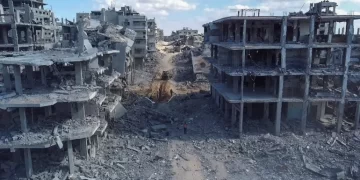
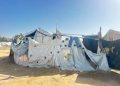
After more than two years of extensive destruction, Gaza’s infrastructure remains shattered. Hospitals, schools, roads, water systems, sewage networks, and the electricity grid have suffered widespread damage. Most residents live in tents or makeshift shelters with limited protection from extreme weather. Clean water is scarce, food supplies remain inadequate, and agricultural land has been heavily damaged.
The closure of crossings and the curtailment of humanitarian operations threaten to push Gaza closer to another hunger emergency. Critics argue that these measures amount to collective punishment, tightening control over aid distribution and restricting independent humanitarian work.
Despite the fact that many of the affected organizations are headquartered in Western countries, international condemnation has remained limited. Aid workers warn that dismantling independent humanitarian networks would place full control of assistance in the hands of the occupying authority, leaving Gaza’s civilian population increasingly vulnerable.
Shortlink for this post: https://daysofpalestine.ps/?p=72627