
DaysofPal- As regional tensions escalate following strikes on Iran, Palestinians in the Gaza Strip are facing new hardships after the Israeli occupation closed border crossings and restricted humanitarian operations, moves that aid groups warn could deepen an already severe humanitarian crisis.
The Israeli occupation is taking advantage of the war on Iran to aggravate the suffering of the Palestinian displaced in the Gaza Strip, where residents rushed to markets amid fears of supply shortages, recalling previous closures that led to widespread hunger.
Prices for food and essential goods quickly surged, and confirmation of the crossing shutdown soon followed.
The Israeli closure coincided with the expiration of a deadline for dozens of international non-governmental organizations to meet Israeli registration requirements.
Humanitarian groups report that these organizations collectively provide roughly half of the food assistance in the territory and a majority of services at field hospitals.
With operations curtailed, aid workers warn that hundreds of thousands of civilians could face worsening hunger and loss of livelihoods.
Even organizations not subject to the ban are struggling, where the food relief charity World Central Kitchen, which has been serving large numbers of daily meals in Gaza, has reportedly considered suspending activities after most of its supply convoys were blocked, leaving insufficient provisions to continue cooking.
The situation is compounded by restrictions on the operations of UNRWA, the main United Nations body supporting Palestinian refugees.
The agency, long a cornerstone of humanitarian assistance, has faced funding cuts, staff reductions, and limitations on delivering aid into the enclave.
Aid officials warn that the combined effect of border closures, NGO restrictions, and reduced UN operations could trigger another major food crisis, particularly as unemployment in Gaza has soared to extreme levels after years of conflict and destruction.
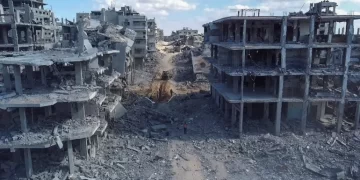
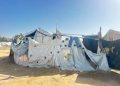
Much of the territory’s infrastructure, including hospitals, schools, water systems, and electricity networks, has been heavily damaged, leaving the majority of residents dependent on humanitarian assistance while living in temporary shelters with limited access to clean water and sufficient food.
Critics argue that restricting aid and humanitarian access amounts to collective punishment, while Israeli authorities maintain that such measures are tied to security concerns.
With the regional conflict showing no immediate signs of de-escalation, conditions in Gaza are expected to deteriorate further unless crossings reopen and aid flows resume.
Shortlink for this post: https://daysofpalestine.ps/?p=72644