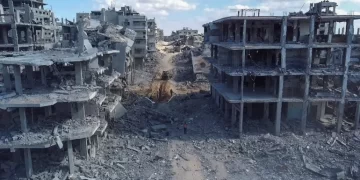
DaysofPal – Israeli forces have continued to violate the ceasefire agreement in the Gaza Strip for the 144th consecutive day, carrying out artillery shelling, air strikes, and heavy gunfire across multiple areas of the territory. These actions have deepened the humanitarian crisis and effectively undermined the substance of the agreement.
Intense tank fire was reported by field sources east of Khan Younis in southern Gaza, and artillery strikes were directed towards Gaza City’s eastern districts. Israeli warplanes also launched an airstrike east of Al-Bureij refugee camp in central Gaza. No casualties were immediately reported from that attack.
A total of 661 people have been killed in Israeli attacks during the ceasefire period, according to the most recent daily statistical report detailing violations through the 142nd day of the agreement. The victims include 199 children, 85 women, and 23 elderly people, meaning that children, women, and the elderly account for 46.4 percent of the total fatalities.
The number of injured has reached 1,700, including 518 children, 342 women, and 90 elderly individuals. These groups represent 55.8 percent of the wounded, highlighting the significant impact of military operations on civilians and other vulnerable populations.
The report recorded 1,921 field incidents since the agreement entered into force. These incidents include live fire, artillery shelling, home demolitions, and incursions by military vehicles, averaging 13.5 violations per day. The data indicate a recurring pattern of daily breaches.
Figures also point to the continued imposition of fire control over additional areas beyond the scope defined in the agreement, along with failure to adhere to agreed withdrawal lines.
Efforts to repair damaged infrastructure remain obstructed, with restrictions on the entry of heavy machinery required for reconstruction. The fate of missing persons also remains unclear, according to the report.
On the humanitarian front, Israel has not met the commitment to allow 600 aid trucks to enter Gaza each day, including 50 fuel trucks. A total of 35,986 trucks have entered during the reporting period, representing only 42.2 percent of the agreed volume.
Fuel shortages present the most serious concern. Deliveries have reached just 14.5 percent of the agreed requirement, affecting the operation of hospitals, water networks, sewage systems, and other essential services.
Data from the Rafah crossing show ongoing restrictions on passenger movement. The cumulative rate of compliance with agreed travel numbers stands at 38.6 percent, under procedures described by observers as restrictive and detrimental to humanitarian cases.
Shortlink for this post: https://daysofpalestine.ps/?p=72682