DaysofPal- Palestinian officials and eyewitnesses say Israeli Occupation Forces (IOF)have deployed more than 200 vehicle-borne improvised explosive devices (VBIEDs) inside and on the edges of densely populated neighborhoods across Gaza in recent weeks, a tactic they describe as a “new service” of destruction that has killed and wounded large numbers of civilians and intensified forced displacement.
Eyewitnesses recounted scenes of mass casualties and chaos after multiple blasts.
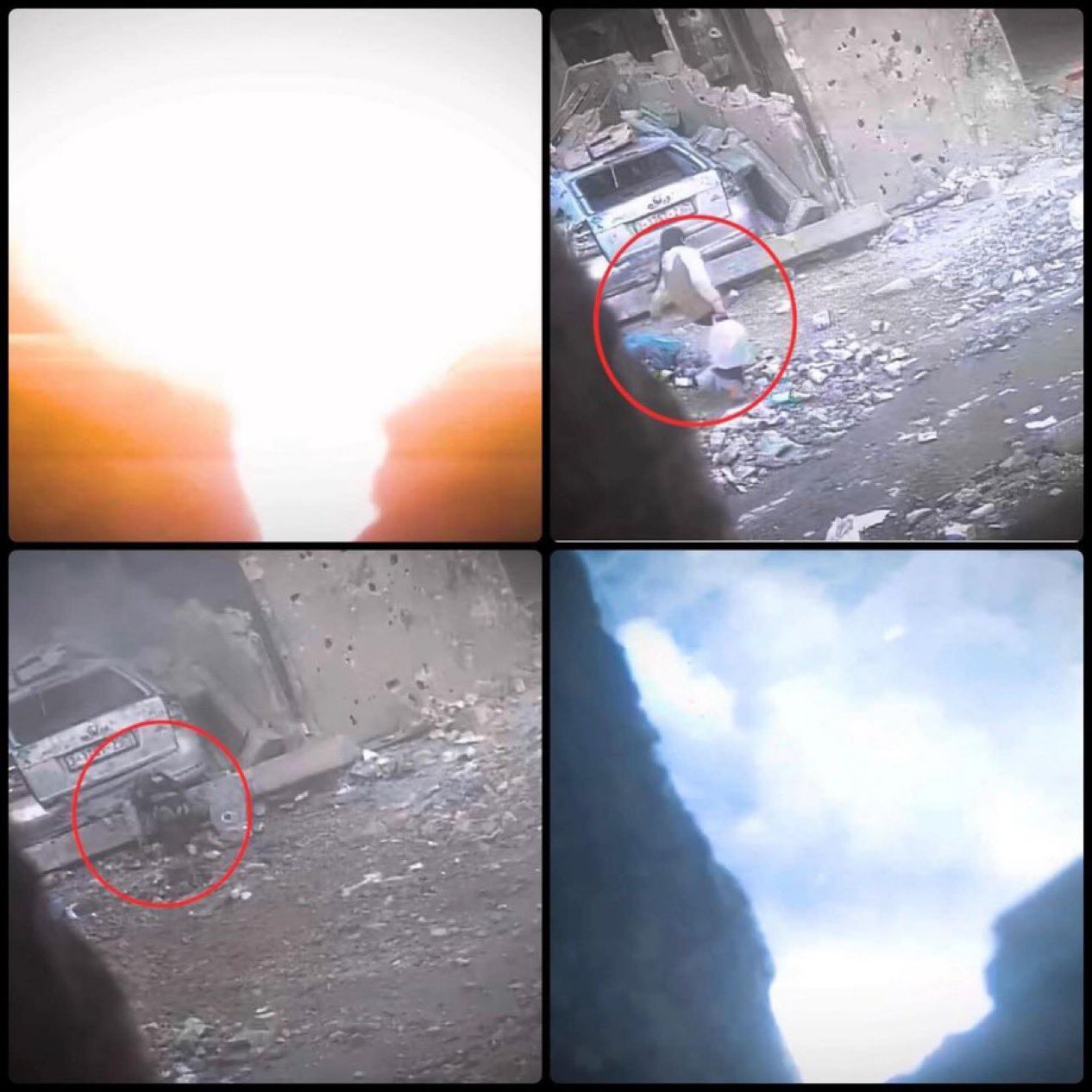
On 14 September, a remote-detonated armored vehicle disguised among rubble and parked at the Dahdahou roundabout near Tal al-Hawa detonated as residents gathered nearby, witnesses said.
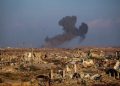
The initial explosion was followed by a second blast. Mohammad Haddad, who lived in Tower 9 at the roundabout, described a “quake-like” blast and a black cloud of smoke that left people screaming for help.
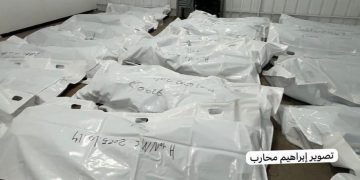
Local sources said about 30 people from the Qaza’at family and others were killed in that attack and dozens more were wounded.
Palestinian rescue crews and survivors described repeated use of retired M113 armored personnel carriers, vehicles reportedly taken out of frontline service and packed with explosives.
The vehicles are said to carry up to five tons of high-explosive material and to produce an effective blast radius of roughly 100 meters, destroying whole housing blocks and producing terrifying shockwaves felt across entire neighborhoods.
“Using these heavily laden vehicles inside civilian areas is a gross and indiscriminate use of force,” said Dr. Salah Abdel-Atti, head of an international body that documents alleged violations against Palestinians.
Abdel-Atti told Felesteen that the tactic appears designed to make Gaza “uninhabitable” and to force mass displacement ahead of ground incursions. He urged international documentation, investigation and prosecution of those responsible.
Government media office spokesman Dr. Ismail Thawabta said the detonations have produced “widespread civilian deaths and injuries, extensive housing destruction, major disruption to basic services and long-term psychological trauma.”
Thawabta and other officials warned the pattern amounts to the use of large-area explosive weapons in populated areas, a practice that, they say, raises serious questions under international humanitarian law about distinction, proportionality and precaution.
Military analysts consulted by Palestinian media gave the operational rationale for the tactic: to reduce risk to advancing Israeli troops by clearing and demolishing built-up defenses, to open lanes for armored vehicles and infantry, and to destroy potential strong points before ground forces move in.
Dr. Rami Abu Zubaida, a military affairs expert, said there appear to be two categories of robotic explosive devices in use: large tracked vehicles converted into remote-controlled bombs, and smaller explosive containers placed in alleys, on roofs, or pushed into residential streets by bulldozers.
Both, he said, have a powerful physical and psychological effect on communities.
Residents also reported the use of smaller “explosive boxes” placed on roofs or in courtyards, sometimes delivered by quadcopters, and driven into streets by armored tractors before detonation.
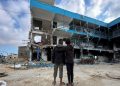
In Sheikh Radwan and other neighborhoods, survivors described waking to a series of “deafening” blasts that left roofs torn open and entire floors gutted.
Local medical and civil-defence sources say the attacks have produced not only high numbers of fatalities and injuries but also severe burns, amputations, and life-changing disabilities among survivors.
The incidents have also further obstructed access to hospitals and emergency services, they say, and have contributed to the ongoing mass displacement across the enclave.
Human-rights advocates in Gaza called for independent investigations and international action.
“These repeated detonations inside civilian areas bear all the hallmarks of a deliberate campaign to terrorize and displace the population,” said one rights official. They urged the international community to document attacks, protect humanitarian personnel, and press for accountability.
The claims, if verified, would raise acute legal and humanitarian concerns about the use of wide-area explosive weapons in populated areas and the protection of civilians under international law.
Shortlink for this post: https://daysofpalestine.ps/?p=68017