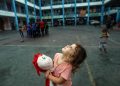
In the Gaza Strip, childhood has been overtaken by the realities of Israeli occupation and a suffocating blockade that has lasted for years. What should be a time of safety and growth has turned into a daily struggle for survival, as Palestinian children face the direct and lasting impact of repeated Israeli attacks.
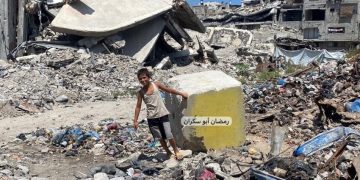
Rather than classrooms and playgrounds, children in Gaza are growing up among rubble, displacement tents, and overcrowded shelters. With every escalation, their lives are further shaped by fear, loss, and instability.
A Childhood Defined by War
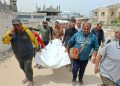
The humanitarian situation for children in Gaza continues to deteriorate. Israeli bombardment, widespread destruction, and forced displacement have become part of daily life. Thousands of children have lost parents, siblings, or entire families, while many others carry the trauma of surviving attacks that have destroyed their homes.
For these children, fear is constant and safety is uncertain.
Schools that once offered a sense of normalcy have been destroyed or turned into shelters for displaced families. Education has been severely disrupted, and the right to learn is increasingly out of reach. Even the simplest aspects of childhood, such as play, have been overshadowed by the ongoing violence.
Daily Hardships Under Siege
Palestinian children in Gaza face a range of overlapping challenges:
- Ongoing threat to life: Continuous Israeli airstrikes and attacks place children at constant risk of injury or death.
- Collapse of education: The destruction and repurposing of schools have deprived many children of learning opportunities.
- Family loss and separation: Large numbers of children have lost one or both parents, deepening their vulnerability.
- Psychological trauma: Exposure to repeated violence has led to widespread anxiety, depression, and post-traumatic stress.
- Lack of stability: Ongoing displacement has stripped children of any consistent routine or sense of security.
These conditions are not temporary—they are shaping the lives and futures of an entire generation.
Long-Term Impact on the Future
The effects of occupation, siege, and war extend far beyond the present moment. Children raised in such conditions face serious challenges in their emotional, social, and cognitive development.
The absence of stable education, combined with continuous psychological stress, limits their opportunities and affects their ability to build a future. Many grow up carrying deep trauma, with lasting consequences for both individuals and society.
Limited International Protection
Despite international conventions aimed at protecting children in times of conflict, Palestinian children in Gaza remain largely unprotected. The ongoing blockade and repeated violations continue without effective accountability.
International responses have largely been limited to statements, while restrictions on humanitarian aid and movement continue to worsen living conditions. As a result, children remain exposed to hunger, illness, and ongoing psychological harm.
The Need for Urgent Action
Addressing the situation requires more than short-term aid. There is an urgent need to ensure the entry of humanitarian assistance, restore access to education and healthcare, and provide long-term psychological support for affected children.
Efforts must also focus on creating safe spaces, supporting families, and helping children rebuild a sense of stability in the midst of an ongoing crisis.
Children in Gaza are growing up under occupation, siege, and continuous attacks—conditions that deny them even the most basic elements of childhood.
While they continue to show resilience, their reality cannot be normalized. Without immediate and meaningful international action, their suffering will continue to deepen.
Every child in Gaza has the right to safety, dignity, and a future free from war—rights that remain denied under the ongoing occupation.
Shortlink for this post: https://daysofpalestine.ps/?p=73698