DaysofPal – The announcement of a ceasefire has brought a rare moment of optimism to Palestinians in Gaza after two years of relentless bombardment. Yet, as the dust settles, the scale of destruction is staggering, a landscape of rubble, shattered lives, and lingering grief.
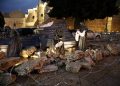
Entire neighborhoods have been wiped out. Hospitals, schools, and public institutions lie in ruins. Families have been displaced en masse, their homes reduced to dust. What remains of Gaza is a broken shell of a city, where joy over the end of war is tempered by the overwhelming reality of what has been lost.
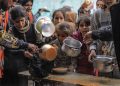
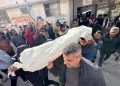
For two years, the enclave has endured what many describe as a war of extermination. More than 67,000 people have been killed and 169,000 injured. Israel’s campaign has not only targeted buildings but the very fabric of life itself, waging a war of starvation against two million Palestinians. Hundreds have died from hunger and lack of medical care as the siege cut off food, fuel, and medicine.
Even so, as news of the ceasefire spread, Gazans emerged from shelters. Faces streaked with dust and tears, they smiled. Children waved Palestinian flags over the rubble, and women ululated in celebration. The scenes of relief were unmistakable, but so too were the faces of exhaustion and pain.
The agreement, announced by Hamas, includes the withdrawal of Israeli forces from the entire Gaza Strip, the entry of humanitarian aid, and the exchange of prisoners between Israel and the resistance factions. For many, it marks the end of the most brutal phase of the war. Yet few see it as an end to suffering.
Since the start of Israel’s Operation Gideon 2 in mid-September, Gaza City had endured unprecedented bombardment, with entire districts flattened and hundreds of thousands forced to flee toward the central and southern parts of the Strip.
Recent satellite images published by NBC News reveal the full extent of the devastation. Gaza City appears almost unrecognizable; sports fields, parks, and even the main water reservoir have been obliterated.
In the Mawasi area north of Rafah, a sprawling tent city now shelters hundreds of thousands of displaced people, surviving amid the near-total collapse of infrastructure.
What was once farmland has turned into overcrowded camps. Rafah’s population has swelled to around 1.4 million, but the city now resembles a wasteland.
International observers and human rights groups say the sheer scale of destruction cannot be justified by military objectives. Israel faces mounting accusations that its systematic demolition of entire cities aims to displace civilians outside the Gaza Strip, a charge amounting to forced population transfer under international law.
For the people of Gaza, the ceasefire is not peace. It is a pause, a moment to breathe after two years of horror, and to confront the colossal task of rebuilding.
As one survivor put it, standing before the ruins of her home: “The planes have stopped. But the silence feels heavier than the bombs.”
Shortlink for this post: https://daysofpalestine.ps/?p=68257