DaysofPal- In the shadow of escalating humanitarian crises, the Gaza Strip is witnessing a harrowing collapse of childhood itself. Decades of Israeli blockade have culminated in what experts describe as an unprecedented famine, with malnutrition devastating an entire generation of children.
The United Nations (UN) has issued dire warnings that hundreds of children under the age of five are on the brink of death due to acute malnutrition. At the same time, nearly all residents face severe food insecurity.
A Generation Under Siege
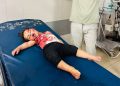
For ten-month-old Aseel Atallah, life has been defined by deprivation. Her delayed physical milestones—such as the absence of teeth and her inability to crawl—are stark indicators of malnutrition. Her mother, Afnan, struggles daily to provide even the most basic sustenance for her daughter.
“There’s no food to compensate for these deficiencies,” Afnan tells Palestine Online . Vegetables, fruits, meat, fish, eggs, and milk have become luxuries beyond reach. Even essential vitamins like vitamin D and iron syrup, once accessible through pharmacies, are now absent from shelves.
The story repeats across households. Maysoun al-Bayedh, a 27-year-old mother of a six-month-old infant, describes similar anguish. Her daughter suffers from emaciation and failure to gain weight, exacerbated by Maysoun’s own poor health and limited ability to breastfeed adequately. Infant formula, ground rice, and wheat—once affordable staples—are either unavailable or priced prohibitively high.
“If I want to compensate with fruits, meat, or fish, they simply don’t exist,” she laments. Desperate measures include feeding her child semolina and starch pudding, though even these substitutes have seen skyrocketing prices.
Widespread Food Insecurity
According to UNICEF, 96% of Gaza’s population endures severe food insecurity, leaving families trapped in cycles of hunger and despair. Among the hardest hit are children aged six months to two years, along with breastfeeding mothers, who lack access to their minimum nutritional requirements. This deprivation poses lifelong health risks, including stunted growth, weakened immune systems, and cognitive impairments.
Compounding the crisis is the near-total absence of clean water. Sixty-five percent of Gaza’s population lacks safe drinking water, further endangering lives already teetering on the edge of survival. Hospitals, operating under extreme duress, report rising cases of malnourished children requiring urgent care. Yet, healthcare providers are fighting a losing battle without adequate medical supplies or functioning equipment.
Rising Numbers, Shrinking Hope
Recent data from the United Nations Office for the Coordination of Humanitarian Affairs (OCHA) reveals that the number of children receiving treatment for malnutrition has surged to 3,600—a significant increase from just 2,000 last month. Meanwhile, the United Nations Relief and Works Agency for Palestine Refugees in the Near East (UNRWA) warns that Gaza is approaching “extreme hunger.” With aid convoys halted and crossings closed since early March, the situation grows more dire by the day.
Calls for Action
Humanitarian organizations emphasize that the survival of Gaza’s children hinges on the immediate resumption of ceasefires and the unrestricted entry of aid. “The world cannot stand idly by as an entire generation starves,” says one UN official. However, efforts to broker peace and restore aid flows remain mired in political stalemates.
As night falls over Gaza, countless children will go to bed hungry, their futures dimmed by circumstances far beyond their control. For parents like Afnan and Maysoun, hope feels increasingly distant—but it is not entirely extinguished. They cling to the belief that global awareness and action can still save their children from this silent catastrophe.
Shortlink for this post: https://daysofpalestine.ps/?p=62329