DaysofPal- More than 127,000 uninhabitable tents sheltering displaced families in the Gaza Strip are facing one of the harshest winter storms to strike the area this season, while suffering a severe shortage of heating supplies and blankets exceeding 70 percent. The storm, forecast to hit Monday evening, has been described as freezing and rain-heavy, prompting warnings of potential disasters and deaths across the territory.
The deep low-pressure system is expected to bring sharp temperature drops, heavy rainfall, and hail, compounding the already dire conditions endured by displaced families living in makeshift camps.
Ismail Al-Thawabteh, head of Gaza’s Government Media Office, stated that 127,000 out of 135,000 tents across the Strip are no longer fit for habitation and are now confronting an unusually cold, polar-type weather system.
“The displaced are facing freezing temperatures without sufficient blankets or bedding to protect them from the cold ground and moisture,” Al-Thawabteh told Safa News Agency.
He stressed that displaced families are experiencing a suffocating and acute shortage of blankets, mattresses, and basic shelter materials, particularly those living in deteriorating tents and in remote, isolated areas on the outskirts of camps.
According to Al-Thawabteh, this crisis is not temporary but the direct result of Israeli policies of widespread destruction. Nearly 90 percent of Gaza’s built infrastructure has been destroyed, forcing the displacement of more than two million people and leaving over 288,000 families without shelter.
Field assessments indicate that the shortage of blankets and heating supplies exceeds 70 percent across Gaza, with the deficit rising to even more dangerous levels in areas that rarely receive regular humanitarian aid.
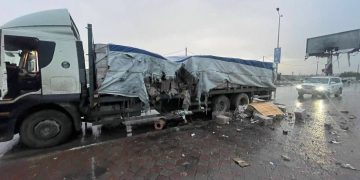
Al-Thawabteh attributed the cumulative shortfall to the complete closure of border crossings for more than 500 days during the genocide, including over 220 consecutive days, alongside the obstruction of more than 250,000 aid and fuel trucks. He also cited repeated Israeli attacks on shelters and aid distribution centers as a major factor.
Shelter centers are receiving the storm while under continued attack, he noted, reporting that 303 shelter centers and 61 food distribution sites have been bombed since the start of the war.
“This reality leaves most displaced families without heating, without adequate blankets, and forces children, women, and the elderly to sleep on the ground inside tents that offer no protection from wind or rain,” Al-Thawabteh said.
He revealed that the shortage of heating and bedding has resulted in tens of thousands of respiratory and infectious disease cases, intensified by overcrowded camps and the absence of minimum public health conditions.
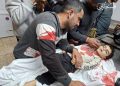
According to official figures, 21 displaced people have died due to extreme cold in forced displacement camps, including 18 children. Al-Thawabteh described the number as “an alarming indicator of the grave danger threatening the most vulnerable groups.”
He added that the lack of heating and bedding, combined with the destruction of 38 hospitals and the shutdown of 96 primary healthcare centers, has made medical treatment extremely difficult, increasing daily mortality risks—especially among infants, the elderly, and patients with chronic illnesses.
Al-Thawabteh described the suffering of displaced families in tents, particularly in remote areas, as a clear example of slow killing, carried out through forced displacement, denial of shelter and heating, border closures, and attacks on humanitarian aid.
He called for urgent and immediate international intervention to provide blankets, heating supplies, and safe shelter before winter turns into another season of mass deaths.
Shortlink for this post: https://daysofpalestine.ps/?p=71213