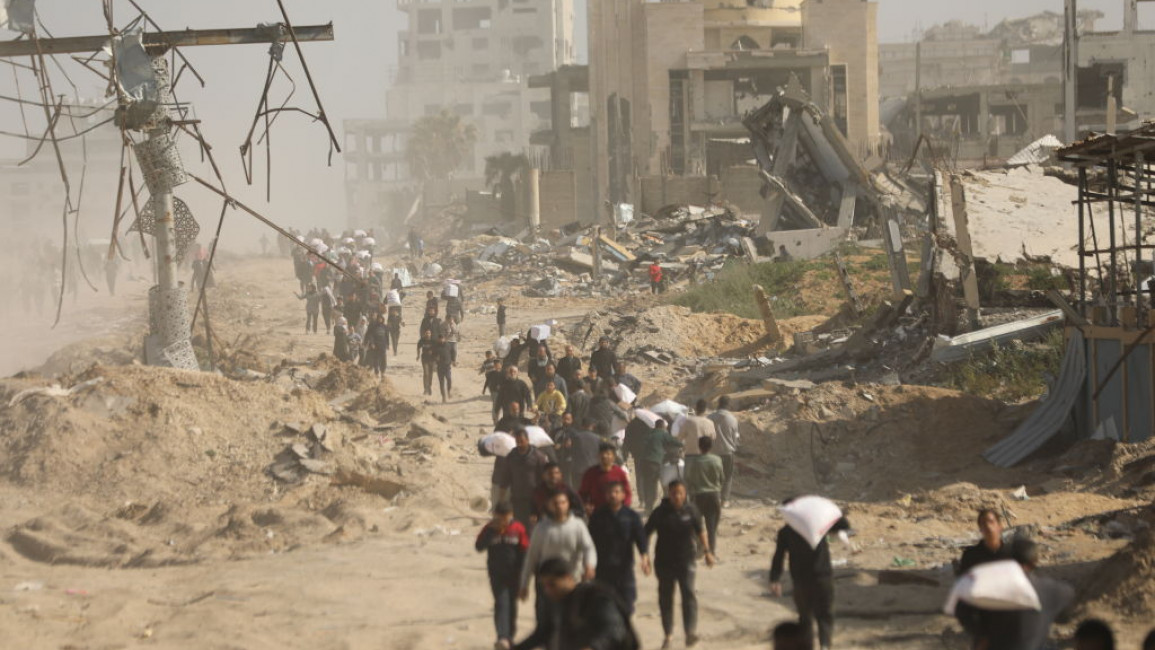
Since the breakdown of the ceasefire last month, approximately 500,000 Palestinians — nearly a quarter of Gaza’s population — have been forcibly displaced, according to UNRWA.
Those displaced are now confined to less than a third of Gaza’s territory, much of which is described by the UN as “fragmented, unsafe, and barely habitable.”
Despite designating areas like al-Mawasi in Khan Younis as “safe zones,” Israeli forces have continued to target these locations.
On Friday, an airstrike killed Ibrahim Abu Tema, his pregnant wife Hanadi, and their four children — all civilians seeking shelter.
Relatives described Ibrahim as a kind-hearted man, a friend to everyone he met. His death, along with the deaths of his family, underscores the growing concerns about the indiscriminate nature of the violence against civilians.
Eyewitnesses continue to question the legitimacy of the “safe zones” declared by Israeli forces, especially given the repeated bombings of such areas.
The human cost of the conflict extends far beyond airstrikes. According to Gaza’s health ministry, 78 Palestinians were killed in the span of just two days last week.
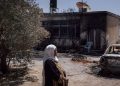
Among the many tragic stories is that of Jamal al-Taweel, a displaced father who lost his three-year-old son in a tent fire caused by an aerial assault.
“Imagine watching your child burn alive and being powerless to save him,” Jamal said, overwhelmed by grief.
At the same time, Gaza’s humanitarian situation is reaching catastrophic levels.
The UN warns of critical shortages in food, medicine, and sanitation.
According to Dr. Ahmed al-Farra, Palestinian children are now facing stage five malnutrition — the most severe stage recognized by the WHO.
Pregnant women and infants are especially vulnerable as access to basic nutrition and healthcare disappears.
Despite these warnings, aid into Gaza has been almost entirely blocked for 53 consecutive days.
Israeli military sources have acknowledged that a major humanitarian crisis is imminent, yet no concrete steps have been taken to ease the blockade.
The international community faces a clear choice: act decisively to prevent further atrocities, or be remembered for standing by as a humanitarian disaster unfolded before our eyes.
Shortlink for this post: https://daysofpalestine.ps/?p=62452