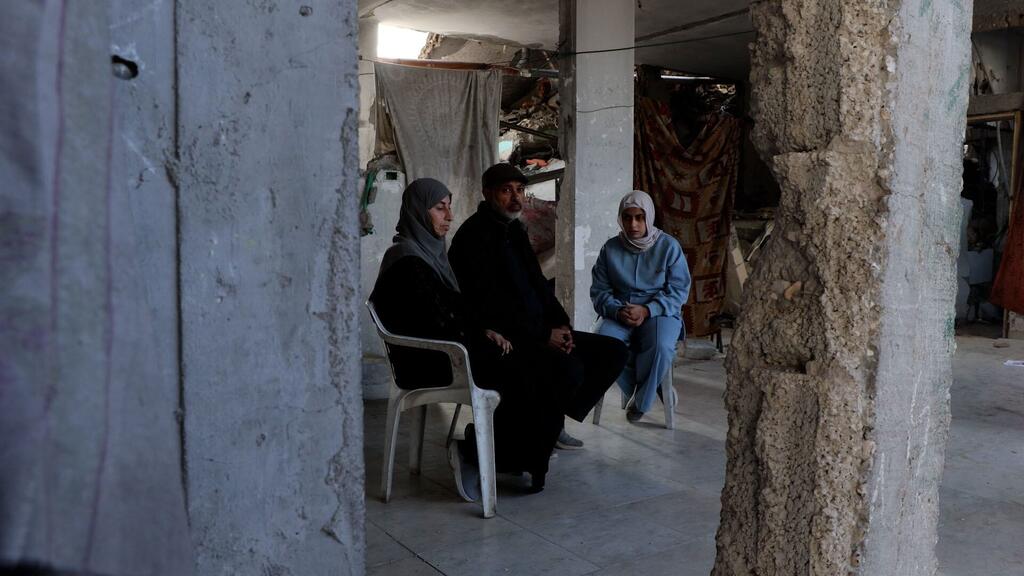
DayofPal— As the world marks World Autism Awareness Day, the situation for children with autism in the Gaza Strip highlights a growing humanitarian crisis, where ongoing genocide and displacement have severely disrupted already limited care systems.
Families of children with autism report that the challenges they faced before the war have intensified dramatically.
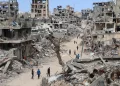
With infrastructure damaged, healthcare services strained, and daily life marked by instability, access to specialized therapy and safe environments has become nearly impossible.
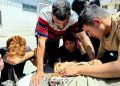
In northern Gaza, 16-year-old Layan Abu Qousa lives with her family in a heavily damaged home.
According to her father, her condition requires constant supervision, something that has become increasingly difficult amid unsafe surroundings and psychological stress affecting the entire household.
As she grows older, managing her needs has become more complex, particularly in a setting lacking stability and security.
In another case, a mother, Islam Shamali, described how her son Yahya lost significant developmental progress due to the war. Prior to the war, he had been receiving specialized care in Gaza and had even traveled abroad for treatment, showing noticeable improvement.
However, repeated displacement and life in temporary shelters have disrupted his routine, a critical factor in autism care. His condition has since deteriorated, with increased behavioral challenges and safety risks.
Healthcare professionals note that even before the war, Gaza faced shortages in trained specialists and rehabilitation centers.
The current situation has led to a near-collapse of these services, forcing families to take on the role of caregivers without adequate training or resources. This has resulted in regression in children’s behavioral and cognitive development.
The lack of structured support, combined with the psychological toll of war, has left many children without the necessary tools to cope.
Children with autism are particularly vulnerable to sudden changes, loud environments, and the absence of routine conditions that now define daily life in Gaza.
Despite global calls for inclusion and support for individuals with autism, families in Gaza say their immediate concerns are far more basic, including access to safe shelter, moments of calm, and the ability to care for their children without constant fear.
There are no precise statistics on the number of children with autism in Gaza, though professionals estimate that hundreds are affected.
Many also point to insufficient official support and limited rehabilitation services, issues that have worsened significantly during the ongoing genocide.
In a message marking the occasion, the United Nations Secretary-General stressed the importance of ensuring that people with autism have equal opportunities in education, employment, and healthcare, and are empowered to make their own life choices.
For families in Gaza, however, such goals remain distant, as they continue to navigate a daily reality shaped by genocide and the struggle to meet even the most basic needs.
Shortlink for this post: https://daysofpalestine.ps/?p=73476