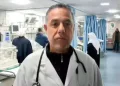
DaysofPal- Zaher al-Wahidi, head of the Health Information Systems Unit at Gaza’s Ministry of Health, said that 1,400 patients from the Gaza Strip have died while waiting for permission to travel abroad for medical treatment. He added that 195 critically ill cases are still awaiting evacuation.
Al-Wahidi stressed the urgent need to transfer between 200 and 400 patients daily in order to resolve the growing backlog of wounded and sick individuals within six months.
Systematic Obstructions and Broken Agreements
In an interview with Ultra Palestine, he described the restrictions imposed by Israeli occupation forces on patient travel, along with repeated violations of ceasefire terms related to the reopening of the Rafah crossing and the movement of patients through it.
He explained that since the crossing partially reopened, only about 500 patients have been able to leave Gaza between early February and the end of March. This figure represents no more than 19 percent of what was outlined in the ceasefire agreement, which came into effect on October 10 of the previous year. He said the agreement has not been fully implemented and continues to be systematically violated.
Under the terms of the agreement, 150 patients were supposed to be allowed to travel abroad daily for treatment, with 50 individuals returning to Gaza. These provisions cover humanitarian categories such as the sick, the wounded, students, and people holding foreign citizenship or residency. However, only a very limited number of patients have been permitted to travel, while others face delays or outright denial.
Al-Wahidi warned that these delays have severe consequences. Between six and ten patients reportedly die each day while waiting for approval to leave for treatment, highlighting the worsening humanitarian crisis.
Since the takeover of the Rafah crossing on May 7, 2024, Gaza has lost approximately 1,400 patients who were unable to access care abroad. Currently, 195 individuals are listed in an extremely critical category described as being on the brink of death, while 1,971 urgent cases require evacuation within weeks to survive.
A Growing List of Vulnerable Patients
More than 20,000 wounded and sick individuals remain on travel waiting lists, with varying degrees of urgency. Among them are 4,000 children and 4,000 cancer patients, considered among the most vulnerable. Many require advanced, life-saving treatments that are not available in Gaza’s hospitals, which have been heavily damaged and continue to face severe shortages of medical supplies and equipment.
At present, only about 24 patients per day are allowed to leave with their companions, and sometimes even fewer. This number falls far short of the actual need. Crossings, including Rafah, have also been closed at times due to regional developments, further preventing patients from traveling before limited operations resumed under strict restrictions.
Al-Wahidi said the evacuation process is further complicated by multiple administrative steps. These include medical referrals; coordination between health authorities in Gaza and the West Bank; approvals from the World Health Organization and receiving countries; and finally, Israeli security clearance, which he described as the most critical stage.
He emphasized that the solution lies in immediately lifting restrictions, fully reopening border crossings, and increasing the number of patients allowed to travel each day in line with the scale of the humanitarian crisis. Without urgent and organized medical evacuations, he warned, more lives will be lost in a very short time.
Shortlink for this post: https://daysofpalestine.ps/?p=73480