DaysofPal- Palestinians in the occupied West Bank experienced a sharp escalation in violence during the Eid al-Fitr period, coinciding with the ongoing regional war involving Iran. The developments have deepened tensions and intensified humanitarian concerns across both the West Bank and the Gaza Strip.
In several Palestinian communities, entrances were blocked by Israeli settlers, restricting movement and isolating villages. Reports from local sources described homes set on fire, vehicles torched, and olive groves destroyed. In a highly symbolic development, Israeli occupation forces cleared Muslim worshippers from the compound of Al-Aqsa Mosque during Eid prayers, marking an unprecedented move since 1967. Israeli police also used force to disperse worshippers attempting to gather near the Old City of Jerusalem.
The violence turned deadly on March 18, when four Palestinian women were killed in the town of Beit Awwa after rocket debris struck the area. The community lacks air raid sirens and shelters, unlike nearby Israeli localities.
Escalating Settler Attacks and Movement Restrictions
Tensions intensified following the death of an Israeli settler near Nablus. In the early hours of Sunday, groups of settlers carried out coordinated attacks on villages south of the city. Local reports said homes and vehicles were burned, a village council building was set on fire, and attempts were made to damage a mosque. Emergency responders were also targeted, with a fire truck attacked and its driver injured.
Additional incidents were reported in nearby towns, where homes were torched, residents injured, and a medical clinic narrowly spared after local intervention. Despite the presence of Israeli forces nearby, witnesses said attacks continued without effective intervention.
Alongside the violence, Israeli forces carried out arrests across multiple areas. In several cases, Palestinian residents reported that settlers conducted raids before calling in Israeli forces to detain individuals, including minors.
Restrictions on movement have also intensified. Settlers have blocked key roads and intersections, attacking Palestinian vehicles and limiting access between towns. In some areas, roads were closed entirely, with movement restricted to emergency services under prior coordination.
Land Seizures and Agricultural Destruction
Land confiscation and agricultural damage have continued across the West Bank. Israeli bulldozers uprooted olive trees in multiple areas while large tracts of farmland were cleared in areas near Nablus. In the southern region, settlers reportedly destroyed orchards by releasing livestock onto cultivated fields.
Military orders were also issued to seize land in northeastern areas for what authorities described as security purposes. These actions were followed by the arrival of equipment to begin infrastructure work, raising concerns about further expansion.
Demolitions have displaced families in several communities. In one case in the Jordan Valley, the last remaining home in a village was destroyed despite prior legal arrangements that had allowed the family to remain.
Israeli military chief Eyal Zamir publicly condemned attacks on civilians, describing them as unacceptable. Former Prime Minister Naftali Bennett also voiced criticism. Despite these statements, reports from activists indicated continued settler activity, including the rebuilding of outposts under military protection.
According to the Israeli human rights organization B’Tselem, at least 14 Palestinians have been killed in the West Bank since late February, including minors. The deaths were attributed to both military actions and settler violence.
Deepening Crisis in Gaza
In Gaza, a separate crisis has worsened due to restrictions on aid and ongoing military activity. The volume of humanitarian assistance entering the territory has dropped significantly, contributing to rising prices and shortages of essential supplies.
The reopening of the Rafah crossing has been limited, with strict controls on movement. The World Health Organization has warned of critical shortages in medicines, medical supplies, and fuel, raising concerns about the ability of hospitals to function.
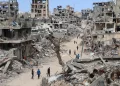
Efforts to advance reconstruction have slowed, with political negotiations and ceasefire implementation facing delays. Proposals tied to disarmament and rebuilding remain under discussion, with little progress reported.
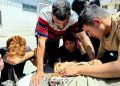
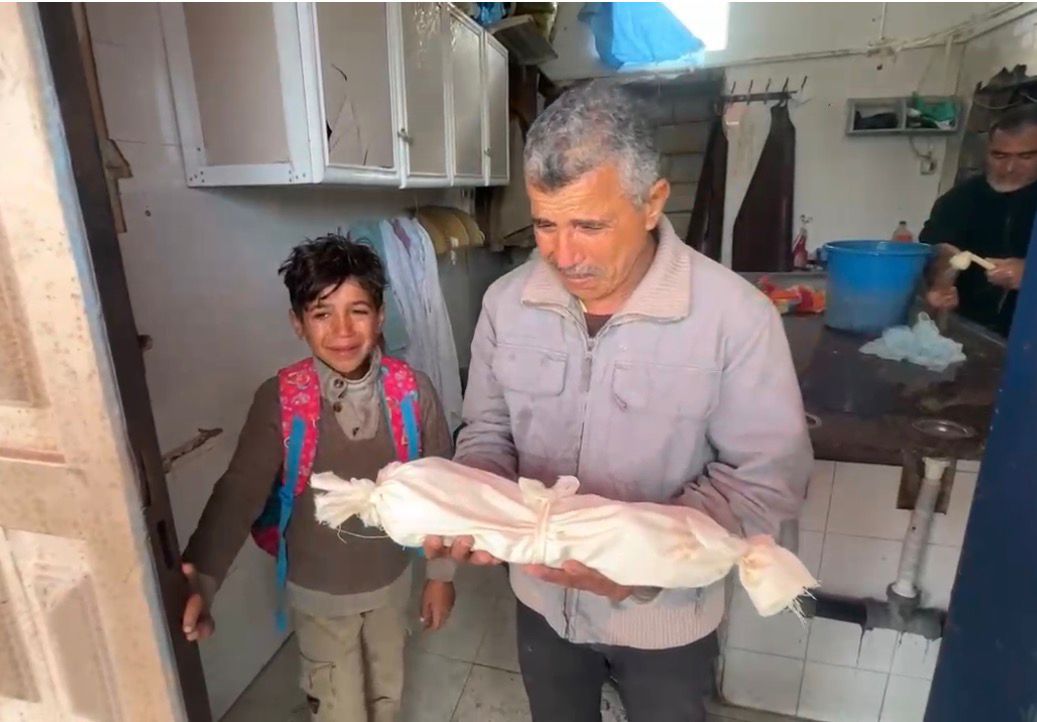
Despite the ceasefire agreement reached in October, violence has continued. Air attacks and shelling in different parts of Gaza have resulted in additional casualties, including civilians and police personnel. Palestinian health officials report that hundreds have been killed since the ceasefire took effect.
Shortlink for this post: https://daysofpalestine.ps/?p=73244