DaysofPal – With military tensions rising across the region following United States and Israeli strikes on Iran, residents of the Gaza Strip once again face a familiar reality. Border crossings have been closed to already scarce supplies, security measures have tightened, and the assault on Iran has revived memories of the devastating war that never fully receded from daily life.
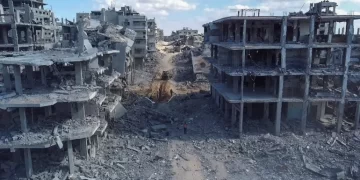
For many in Gaza, images of bombardment and killing seen over the past three days are not distant headlines. They reopen wounds left by nearly two years of destruction. The psychological toll is deepening, driven by renewed uncertainty and the sense of constant threat. Children, still struggling with trauma from previous violence, show signs of worsening distress. Parents report insomnia, persistent anxiety, excessive attachment, and panic triggered by sudden sounds.
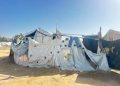
Suad Hamid, 42, sits inside a shelter in western Gaza City, following developments on a small mobile phone. Without fully realizing it, she connects the scenes of smoke and разрушение on her screen to the suffering her family of six endured during the past two years. She says that since hearing the crossings were closed again because of the conflict involving Iran, she has been unable to sleep.
The same relentless anxiety she experienced during the war on Gaza has returned. Even the distant hum of reconnaissance aircraft sparks fear. Her children now ask whether another war will begin and whether they will be forced to flee again. She says she has no reassuring answers and struggles with her own sense of insecurity.
Anxiety also grips the wounded and the sick. Near a health center, 27-year-old Alaa Hijazi, injured in the last war, explains that he had been waiting for a chance to travel abroad for further medical treatment. The closure of the Rafah crossing to patients and humanitarian cases only days after it reopened has pushed him back to where he started.
He says the hardest part is not only the delay in treatment but also the feeling of being trapped once more. His fate, and that of those around him, seems tied to events beyond their control. During the previous war, he recalls feeling forgotten. Each new regional escalation brings that feeling back, leaving lives suspended by decisions taken elsewhere.
Though the current escalation is unfolding outside Gaza’s borders, its psychological impact is immediate. Many residents follow the news with apprehension, bracing for the worst.
Kamel Inshasi, 55, says that whenever war breaks out and crossings close, people in Gaza feel that the world is shutting its doors in their faces. Travel becomes impossible, and even thinking about the future feels futile. The sense of confinement, he says, erodes hope itself.
Reflecting on the confusion that accompanied the outbreak of hostilities involving Iran, Inshasi explains that experience has conditioned people to expect the worst. Previous escalations have often turned into painful realities. What weighs most heavily now is the loss of control.
Even distant events can reshape daily life in Gaza. Residents live within narrow confines, unable to shield themselves or their families from forces beyond their reach. That persistent helplessness, he says, drains them more than anything else.
Shortlink for this post: https://daysofpalestine.ps/?p=72688