DaysofPal — Palestinians returning to the Gaza Strip via the Rafah Border Crossing say they have faced what they describe as arbitrary and provocative procedures imposed by Israeli forces, compounding hardship during the Muslim holy month of Ramadan.
Travelers reported long delays, intensive searches, and field interrogations that they say exacerbate exhaustion while fasting. The Palestinian side of the crossing was reopened on Feb. 2 after being closed since May 2024, when Israeli forces took control of the facility. Movement, however, remains extremely limited and subject to strict security restrictions.
On Saturday evening, about 50 Palestinians were allowed into the enclave after some had reportedly been turned back multiple times on previous days. Returnees said they underwent meticulous inspections and were barred from bringing even basic personal items, including children’s gifts and toys, with only small amounts of clothing permitted.
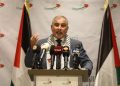
The group Hamas condemned the treatment, calling it a systematic violation of agreed crossing arrangements and urging international mediators to intervene. In a statement, Hamas noted that Israeli occupation forces inflict both physical and psychological harm on travelers.
One returnee, Umm Abdulaziz al-Sarsak, described a journey lasting more than 20 hours from the Egyptian side to Nasser Medical Complex in Khan Younis. She said passengers, including fasting children, were kept on buses for hours in tense military conditions.
According to her account, tanks and armored vehicles surrounded the buses, creating what she described as the atmosphere of a closed military zone. She added that the measures appeared intended to break the resolve of Palestinians seeking to return home, while praising what she called facilitation on the Egyptian side.
Another returnee, Abu Saeed al-Habil, said Israeli procedures seemed designed primarily to delay arrivals. He reported that soldiers took travelers one by one for questioning sessions lasting about 45 minutes each. Al-Habil said he attempted to return to Gaza five times after the partial reopening, only to be turned back without explanation until his most recent attempt succeeded.
Field data indicate that roughly 80,000 Palestinians have registered to return to Gaza, reflecting what observers describe as widespread determination to resist displacement despite massive wartime destruction.
At the same time, a severe humanitarian crisis persists for those seeking to leave the territory. Health authorities estimate that about 22,000 wounded and sick patients urgently require treatment abroad amid the collapse of Gaza’s medical system following repeated strikes on hospitals.
Before the war that erupted in October 2023, Rafah served as the primary gateway for Palestinians traveling in and out of Gaza without direct Israeli control, operating under Egyptian-Palestinian coordination, where Israeli forces later reasserted military control over the crossing.
A ceasefire agreement signed in October 2025 was expected to end Israeli control and facilitate the movement of people and goods, but critics say those provisions have not been fully implemented.
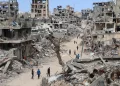
The ongoing restrictions come after more than two years of war that has devastated infrastructure across Gaza. Palestinian health officials report over 72,000 deaths and more than 171,000 injuries, figures described as preliminary.
Despite the obstacles, many Palestinians in exile or displacement continue to attempt the journey home, insisting on their right to live on their land.
Shortlink for this post: https://daysofpalestine.ps/?p=72512