DaysofPal – The humanitarian crisis in the Gaza Strip is deepening at an alarming pace, according to Amjad Al-Shawa, head of the Palestinian NGOs Network in Gaza, who warned that the continued closure of the Rafah land crossing has effectively cut off the enclave from life-saving assistance. He said the sustained blockade on humanitarian aid is pushing thousands of civilians, particularly the sick and injured, toward an imminent health catastrophe.
Health Sector Overwhelmed and Patients Trapped
Al-Shawa stated that more than 18,500 patients and wounded individuals are in urgent need of medical treatment outside Gaza, as hospitals inside the Strip struggle to function under relentless pressure. Continuous bombardment, coupled with acute shortages of medicines and medical equipment, has left the health system operating on the brink of total failure.
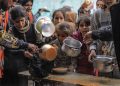
He emphasized that the crisis extends far beyond hospitals, noting that nearly 90 percent of Gaza’s population now depends entirely on humanitarian assistance to survive. Al-Shawa called on U.S. Middle East envoys Steve Witkoff and Jared Kushner to intervene immediately by pressing Israel to reopen the crossings and allow aid to enter without limitations.
The deterioration in living standards has had especially severe consequences for children. Al-Shawa explained that the lack of shelter and heating has caused a surge in illnesses linked to cold exposure and malnutrition. He confirmed that child fatalities related to these conditions have been recorded in recent weeks, underscoring the growing human toll of the aid blockade.
Expanding Military Control Inside Gaza
Beyond the humanitarian emergency, Al-Shawa warned of escalating developments on the ground. He said Israeli forces have crossed the so-called “yellow line” and expanded their deployment inside Gaza, in violation of existing arrangements. As a result, areas under Israeli control have increased from roughly 53 percent before the ceasefire to more than 60 percent today.
Israel seized control of the Palestinian side of the Rafah crossing in May 2024 during the ongoing war on Gaza, which began on 7 October 2023 and caused widespread destruction of infrastructure, including water systems and health facilities.
Despite the launch of the first phase of a ceasefire on 10 October last year under a plan announced by U.S. President Donald Trump, Israel has continued to breach the agreement on a near-daily basis. Palestinian medical sources report that these violations have resulted in the killing of 477 Palestinians and the injury of 1,301 others since the ceasefire came into force.
International organizations have echoed Al-Shawa’s concerns. The World Health Organization has reported that Gaza’s health system is functioning at less than 30 percent capacity, warning that thousands of patients, including those with cancer, kidney failure, and critical injuries, face life-threatening delays in treatment due to travel restrictions.
Doctors Without Borders has also highlighted a sharp rise in malnutrition caused by limits on the entry of food, medicines, and shelter materials, particularly affecting children and pregnant women. The organization described the situation in Gaza as a profound moral and humanitarian failure.
The Gaza Strip, home to about 2.4 million Palestinians, is currently experiencing the worst living conditions in decades due to a siege, acute food and water shortages, and the breakdown of vital services. The United Nations has repeatedly warned that without the reopening of crossings and the resumption of aid flows, Gaza is heading toward a comprehensive humanitarian catastrophe.
Shortlink for this post: https://daysofpalestine.ps/?p=71604