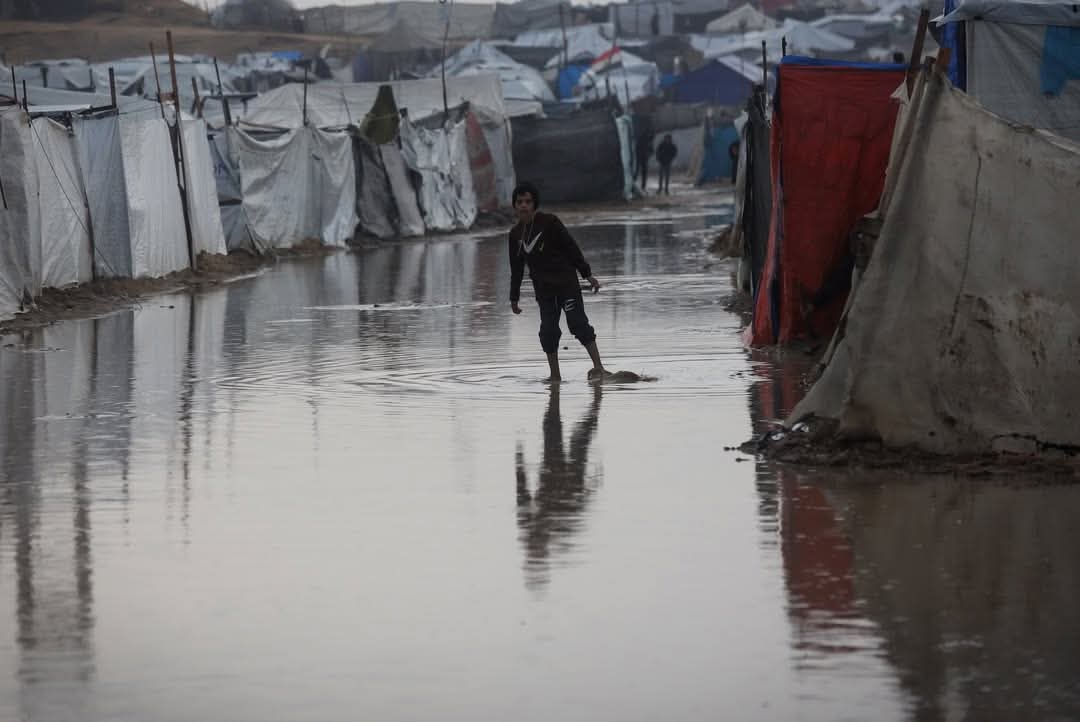
DayofPal—Over 200 people ine Gaza are hospitalized daily from severe respiratory illnesses with the Health ministry can’t identify viruses due to the lack of diagnosis tools.
Gaza’s Al-Shifa Hospital has issued a stark warning over a rapidly deteriorating health situation, as hundreds of patients arrive daily with severe and, in many cases, undiagnosed illnesses amid the collapse of the healthcare system.
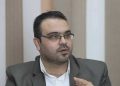
Dr. Moataz Harara, head of the Reception and Emergency Department at Al-Shifa Hospital, said the facility has been receiving more than 500 patients a day over the past two weeks.
Around 200 of these cases suffer from acute respiratory conditions, presenting symptoms such as high fever, shortness of breath, extreme fatigue, persistent vomiting, diarrhea, coughing and chest pain.
According to Dr. Harara, the severity of symptoms varies depending on patients’ immune systems. While some recover within two days, others require hospitalization, particularly those with chronic illnesses.
In several cases, patients have been admitted to intensive care units after standard treatment failed to raise blood oxygen saturation levels.
Health officials have been unable to identify the nature of some of the viruses circulating due to the absence of adequate diagnostic tools.
Dr. Harara stressed that the cases are neither Covid-19 nor seasonal influenza, noting that symptoms appear more severe, yet doctors remain unable to definitively determine the pathogens involved.
The hospital has also recorded an alarming rise in leptospirosis, a bacterial infection transmitted by rodents. Previously reported once every three years, cases are now appearing at a rate of two to three every two months.
Additionally, doctors have observed an alarming increase in acute flaccid paralysis, with approximately 20 cases documented in the past month alone, compared to only a few cases annually in previous years.
Dr. Harara described these developments as a dangerous indicator of the broader health crisis in Gaza, where an exhausted medical system is struggling to cope.
He highlighted acute shortages in basic laboratory tests, including blood analyses, forcing patients to be transferred to other hospitals for CT scans.
Essential medications such as antibiotics and painkillers are also in critically short supply, leading to the use of substitutes intended for other conditions.
Medical staff warn that without urgent intervention, improved diagnostic capacity and the provision of essential medicines, the health situation is likely to worsen further, placing thousands of lives at risk.
Shortlink for this post: https://daysofpalestine.ps/?p=71427